Abstract: Objective: To assess the effects of toothpaste formulations incorporating hops beta (β)-acids extract (Activ Bio-Cleanser™) in combination with fluoride systems on the reduction of volatile sulfur compounds (VSCs) in morning breath following 4 days of product use. Methods: Two pooled analyses were conducted using participant-level data on seven previously completed, randomized in vivo breath studies evaluating VSCs measured with a halimeter after 4 days usage of stannous fluoride (SnF2) or regular fluoride (sodium fluoride [NaF]) or sodium monofluorophosphate [MFP]) dentifrice formulations with and without hops β-acids. SnF2 formulations had 0.15%, 0.23%, or 0.50% hops β-acids, while regular fluoride formulations had 0.05%, 0.11%, 0.15%, 0.23%, or 0.50% hops β-acids. Participant-level data was required for inclusion. Data were analyzed using analysis of covariance (ANCOVA) to assess pooled mean VSC difference among direct treatment difference comparisons based on final visit values. Results: Seven studies were analyzed in total. Four included assessments of SnF2 + hops formulations (79 participants) and four included assessments of regular fluoride + hops formulations (67 participants). SnF2 formulations: A clear dose-dependent reduction in VSC levels was demonstrated for SnF2 + hops formulations. Increasing concentrations of hops—0.15%, 0.23%, and 0.50%—in SnF2 formulations led to progressively greater VSC reductions of 27.3%, 34.0%, and 52.4%, respectively, versus the negative control (regular fluoride without hops) (P ≤ 0.0004). There was also a significant reduction in VSC levels for SnF2 + 0.23% hops (P = 0.0002) and SnF2 + 0.50% hops (P < 0.0001) compared to SnF2 without hops. Regular fluoride formulations: A similar trend was seen for regular fluoride + hops formulations, with the addition of 0.11%, 0.15%, 0.23%, and 0.50% hops showing reduced VSC levels by 13.4%, 19.9%, 20.5%, and 43.8%, respectively, versus negative control. Regular fluoride formulas with hops levels at 0.15% or above were statistically significantly different from the negative control (P ≤ 0.0320). The regular fluoride + 0.50% formula had a statistically significantly greater VSC reduction compared to all other regular fluoride + hops formulations (P ≤ 0.0130). Conclusions: This analysis shows there is a significant morning breath benefit associated with the addition of hops at 0.15% or greater to SnF2 or regular fluoride toothpaste, with higher levels of hops showing a larger benefit.
Keywords: surfactant, hops β-acids, halitosis, bad breath, breath odor, toothpaste, halimetry, volatile sulfur compounds, pooled analysis
Halitosis, commonly referred to as bad breath or oral malodor, is a significant concern affecting approximately one-third of adolescents and adults.1 Ninety percent of halitosis cases originate from the oral cavity, particularly the tongue, while most remaining cases typically result from systemic conditions that transport compounds from the blood into the alveolar air.2 Besides causing self-consciousness, halitosis serves as a clinical indicator of poor oral hygiene.3,4 Individuals suffering from this condition frequently experience anxiety, diminished self-esteem, and adverse effects on their interactions and relationships.5 Therefore, resolving halitosis not only is crucial for personal well-being but also is an important sign of maintaining optimal oral hygiene.
Bad breath is associated with multiple volatile sulfur compounds (VSCs), primarily hydrogen sulfide, methyl mercaptan, and dimethyl sulfide, produced by gram-negative bacteria present in the oral cavity.6,7 VSCs are produced by anaerobic bacteria during the breakdown of endogenous and exogenous proteins.6 The measurement of VSC levels is commonly performed using a halimeter, a specialized instrument designed to quantify the concentration of this gas in exhaled breath.8,9 By assessing the presence and levels of VSCs, the efficacy of various oral care products in mitigating halitosis can be evaluated.
Used in many toothpastes, stabilized stannous fluoride (SnF2) is an effective agent for reducing bad breath.10-12 SnF2 not only inhibits bacterial growth and virulence,13,14 but it also enhances oral hygiene by reducing the production of VSCs associated with bad breath.10,12 The efficacy of SnF2-containing toothpastes may be further improved by more effective adherent biofilm dispersion for improved deposition of SnF2. Hops, as demonstrated in this special issue, is an ingredient that can enhance this behavior in toothpastes. Contributing to the reduction of biofilm accumulation, hops can facilitate easier oral hygiene maintenance,15-18 which may provide oral breath benefits alone and in combination with SnF2.
Hops beta (β)-acids extract incorporated into toothpaste formulations is capable of disrupting dental biofilms by its action on extracellular polymeric substances (EPS).16,18 The ability of hops to solubilize EPS, thereby disrupting the biofilm structure where malodorous compounds are produced and accumulate, make it a compelling ingredient for improving the cleansing efficacy of toothpaste formulations addressing halitosis.
While individual breath studies demonstrate reductions in VSCs following use of SnF2-containing dentifrices, pooled analyses provide an opportunity to assess consistency, dose responsiveness, and formulation-level effects across multiple studies. Therefore, a pooled analysis was conducted of in vivo breath studies comparing the effect of toothpastes containing hops in combination with SnF2 or regular fluoride (sodium fluoride [NaF]) or sodium monofluorophosphate [MFP]) using halimetry. Access to participant-level data was required from every study to assess the relationship between baseline and end-of-treatment VSC values for each tested toothpaste.
Methods and Materials
This article presents pooled analyses of participant-level data from multiple, previously completed, randomized in vivo breath studies designed to assess VSCs following short-term toothpaste use. A search of studies in the Procter & Gamble Oral Care research archive was undertaken to identify relevant studies for inclusion in this pooled analysis.
Eligibility Criteria
Data were included from randomized, controlled, participant-blind crossover studies that had intervention and control groups in human participants and reported the effects of toothpastes formulated with hops and SnF2 or regular fluoride on breath outcomes with 4 days usage. The PICO model was employed: Participants: adults with oral malodor with >200 parts per billion (ppb); Intervention: toothpastes formulated with hops and SnF2, MFP, or NaF from a single manufacturer (The Procter & Gamble Company, crest.com); Comparator: placebo control was SnF2 without hops for SnF2 pooled analysis, positive control was SnF2 for regular fluoride pooled analysis, and negative control was regular fluoride (NaF or MFP) for both analyses; Outcome measures: VSCs measured by halimeter following an intervention with comparator control group(s).
A single manufacturer database was used because no other manufacturers produce hops-containing toothpaste.
Study Selection and Data Collection
Two authors (SS and HY) assessed the eligibility of all archived breath in vivo studies conducted between 2013 and 2024. From the studies included in the final analysis, the following data were extracted: study name and year, intervention details, follow-up visits, treatment sequences, and outcome measurements at the participant level, including sample size.
Study Design
The studies that were screened had the same crossover design. Participants were Procter & Gamble employees who exhibited consistent baseline breath measurements above 200 ppb VSCs, were in generally good health, and were between 24–65 years old. Participants who had diabetes, were pregnant, or were under oral care treatments were excluded from the study.
All original studies were conducted in accordance with applicable ethical guidelines, with informed consent obtained from all participants. Study protocols, informed consent forms, and all test products were reviewed and approved by the Procter & Gamble site safety and toxicology group.
Every treatment was exclusively used for one period. For each period, participants were asked to use each toothpaste twice per day (a.m./p.m.) for 2 minutes per brushing from Monday through Thursday, followed by a 3-day washout period with a regular fluoride toothpaste (Friday through Sunday).
Breath Measurements
Studies included measured VSC levels using a Halimeter® PLUS device (Interscan Corporation, halimeter.com), which quantifies VSCs in parts per billion. Breath samples were collected in the morning before eating, drinking, or brushing. Participants were instructed to keep their mouths closed for 2 minutes, followed by taking a deep breath to record the breath measurement. Each participant was measured in duplicate daily to ensure consistency and reliability. Morning breath was recorded as a baseline measurement on Monday mornings, and morning breath measurements at the end of the treatment phase were collected on Friday mornings after 4 days of toothpaste usage.
Statistical Analysis
Due to right-skewness, VSC values were natural log-transformed prior to analysis to meet model assumptions of normality and homoscedasticity.
A one-step participant-level pooled analysis used a linear mixed-effects model for direct and indirect treatment comparisons and for identification of participant-level covariates.19 The model included fixed effects for baseline, treatments, their interaction, and study to adjust for sources of variability. A random effect for participants nested within studies was incorporated to account for variability between participants within each study, capturing heterogeneity in baseline levels across participants. Furthermore, this allowed for different treatment-effect sizes by study, accommodating between-study heterogeneity in treatment effects. The one-step model also allowed for between-study variability in the residual variance of outcomes, enabling more flexible modeling of heterogeneity across studies.20
The log-transformed baseline VSC value was included as covariate to adjust for baseline differences in VSC levels. Separate pooled analyses were conducted for studies containing SnF2 and those containing regular fluoride. The interaction between treatment and baseline VSCs was tested for both groups. In studies involving SnF2, because this interaction was statistically significant, it was retained in the final model to allow differential treatment effects according to baseline VSC levels. In contrast, the interaction was not significant in studies containing regular fluoride and was excluded to maintain model parsimony. Treatment was modeled as a fixed effect to estimate the average treatment effect across studies.
Pooled analysis produced treatment effect estimates based on point estimates and standard errors of the frequentist mixed model. Treatment differences were back-transformed and summarized along with 95% confidence intervals (CI) in geometric means, and two-sided P values calculated from these estimates were included in the bar plots with tables.
Percent changes from negative control were derived by taking the difference of natural-log transformed geometric means between treatments and the negative control, exponentiating this difference to obtain the ratio on the original scale, and converting it to percent change.
All analyses were performed using SAS® VIYA (SAS Institute, sas.com) and JMP® 19 Pro (JMP Statistical Discovery, jmp.com).
Results
Participant-level data from previously completed breath studies were pooled for analysis. Seven in vivo studies, involving a total of 131 participants, met criteria for the pooled analyses. (One study with 15 participants evaluated SnF2-hops and NaF-hops treatment legs; therefore, relevant legs were included in both pooled analyses.) Of these, four studies comprising 79 participants evaluated VSC levels following treatment with SnF2 + hops combinations, while four studies with 67 participants assessed VSC levels after treatment with regular fluoride + hops dentifrice. Table 1 and Table 2 provide study characteristics, including treatments evaluated and the number of participants per study.
Part 1. Stannous Fluoride Formulations With Hops
The pooled analysis of the in vivo studies comparing 0.15%, 0.23%, and 0.50% levels of hops in combination with SnF2 to the negative control showed these hops concentrations achieved reductions of 27.3%, 34.0%, and 52.4% in VSC levels, respectively (Figure 1). The SnF2 groups showed progressively lower hydrogen sulfide values with increasing hops concentration. SnF2 without hops had a VSC value of 265 (95% CI: 241 to 292), which was statistically significantly different compared to the negative control (P = 0.0077). The addition of hops concentration further reduced VSC levels: SnF2 + 0.15% hops, 0.23% hops, and 0.50% hops had a mean VSC of 229 (95% CI: 196 to 267), 208 (95% CI: 188 to 229), and 150 (95% CI: 116 to 194), respectively (Figure 1). All three SnF2 plus hops groups were statistically significantly different from the negative control (P ≤ 0.0004). After 4 days of treatment, the negative control group showed a geometric mean of 315 (95% CI: 287 to 346) (Table 3).
Statistical analysis using a linear mixed-effects model revealed a significant reduction in VSC for SnF2 + 0.23% hops (P = 0.0002) and SnF2+ 0.50% hops (P < 0.0001) compared to SnF2 without hops (Table 3).
The above findings indicate that formulations containing hops β-acids in combination with SnF2 demonstrated greater reductions in VSC levels in a dose-dependent manner, with the 0.50% hops concentration producing the greatest effect, followed by 0.23% hops and 0.15% hops.
Part 2. Regular Fluoride Formulations With Hops
The pooled analysis of the in vivo studies evaluating 0.11%, 0.15%, 0.23%, and 0.50% levels of hops in combination with regular fluoride showed reduced VSC levels by 13.4%, 19.9%, 20.5%, and 43.8%, respectively, with the latter three formulas being statistically significantly different versus negative control (P ≤ 0.0320). The 0.05% hops in combination with regular fluoride did not reduce VSC levels relative to the negative control (P = 0.8944). The negative control showed a geometric mean of 352 (95% CI: 317 to 390). Treatment groups incorporating hops at 0.11% or greater exhibited a dose-dependent reduction in geometric mean VSC values. Regular fluoride combined with 0.50% hops resulted in a markedly lower geometric mean of 198 ppb (95% CI: 168 to 234). Intermediate hops concentrations similarly decreased the VSC values, with regular fluoride + 0.23% hops and regular fluoride + 0.15% hops groups showing geometric means of 280 (95% CI: 241 to 326) and 282 (95% CI: 230 to 371), respectively (Figure 2, Table 4).
Positive control groups further confirmed these findings. The positive control + 0.50% hops group recorded a geometric mean of 170 (95% CI: 136 to 214), significantly lower than that of the negative control (P < 0.0001). Similarly, the positive control (SnF2) without hops demonstrated a substantial reduction in VSC levels with a geometric mean of 231 (95% CI: 194 to 274), also significantly lower than the negative control (P < 0.0001) (Figure 2, Table 4).
Statistical comparisons indicated significant differences between multiple treatment groups. Specifically, regular fluoride + 0.50% hops was significantly different (P ≤ 0.0130) from other lower concentration treatments, highlighting a dose-dependent effect. Lower hops concentrations of regular fluoride + 0.11% hops showed a reduction in VSC levels but did not reach statistical significance (Table 4).
Overall, the data from four in vivo studies showed that formulations containing hops β-acids in combination with regular fluoride demonstrated greater reductions in VSCs in a dose-responsive manner. The formulations containing the highest hops concentration produced the greatest effect.
Discussion
The pooled analyses showed consistent dose-dependent reductions in morning breath VSC levels after 4 days of use in formulations incorporating hops β-acids, with the largest effects observed in SnF2-containing systems. The pooled in vivo data showed that increasing concentrations of hops (0.15%, 0.23%, and 0.50%) in SnF2 formulations led to progressively greater reductions in VSC, up to 52.4% compared to the negative control at the highest concentration. Notably, the addition of hops provided significant benefits beyond the effect of SnF2 alone, with up to a 43.4% further decrease in VSC levels compared to the respective SnF2 formulation without hops. The impact from the formulation-enabled cleaning leading to improved SnF2 penetration underscores the potential of the SnF2 and hops combination in a toothpaste. Breath malodor, quantified here as VSCs measured by halimetry, functions as a consumer-relevant, cosmetic readout of oral hygiene status over repeated product use.
SnF2 has well-established antimicrobial properties and is known for its superior ability to penetrate adherent oral biofilms when delivered with optimum stabilization.13,14,21 The authors hypothesize that hops reduces the structural integrity of EPS, thereby “loosening” the biofilm matrix and enabling greater penetration of SnF2.16-18,22 This enhanced penetration allows SnF2 to exert its proven antimalodor effects more effectively, resulting in improved reduction of VSCs responsible for bad breath.
Because of unique access to participant-level data from the pooled studies, all sharing a regular fluoride negative control, not only was it possible to complete a comprehensive set of analyses, but it also enabled a distinctive dose-dependent assessment, including identification of the minimum dose required to achieve a significant reduction in VSC levels.
Hops in combination with regular fluoride toothpastes also showed a dose-dependent effect. In fact, the different concentrations of hops revealed important distinctions in its efficacy. While formulations with lower hops concentrations such as 0.11% produced reductions in VSC levels, these changes were generally modest and did not achieve statistical significance in any comparisons. Intermediate hops concentrations (0.15% and 0.23%) showed more consistent and statistically significant decreases in VSCs compared to the negative control, suggesting a threshold effect for improved oral hygiene via EPS disruption where hops levels became sufficient to impact VSC measurements. The highest concentration tested, 0.50%, consistently delivered the greatest reductions and attained strong statistical significance versus both the negative control and lower hops levels, emphasizing a clear dose–response relationship.
The addition of hops to regular fluoride toothpaste at concentrations of 0.15% or greater yielded breath reductions comparable to the positive control, SnF2 without hops. Adding hops to the positive control further enhanced efficacy, leading to the largest numerical reductions of all treatments assessed. These results indicate that both the unique properties of SnF2 and the presence of hops as an added surfactant to improve EPS disruption are critical for maximizing efficacy.
Finally, of particular note was the reduction of VSC values from baseline after 4 days of strict oral hygiene for the negative control in both studies. These data support strict oral hygiene of 2-minute, twice-daily brushing to improve morning malodor. The data provide the additional foundation for how improved surfactant systems in toothpastes without known antimicrobials could further amplify oral hygiene outcomes when applied in a strict oral hygiene regimen. As such, optimized surfactant systems offer a way to improve oral hygiene outcomes for patients.
While all-participant-blinded, the in vivo studies included in these pooled analyses faced logistical challenges that precluded double-blinding. Moreover, breath odor was assessed using an objective methodology. Additionally, all in vivo studies were supported by a single manufacturer, and the pooled analyses were not conducted alongside systematic reviews because hops-containing toothpaste formulations are unique to Procter & Gamble and no other studies have been published. Direct access to participant-level data for each study was critical, enabling comprehensive and distinctive assessments. All studies adhered to rigorous methodological standards, employing randomized, controlled, and participant-blind design. Furthermore, the analysis of all in vivo studies followed a prespecified analysis plan, encompassing all eligible participants, to ensure a robust evaluation of intervention adherence.
Conclusion
These pooled analyses demonstrate that hops β-acids extract added to toothpastes containing SnF2, NaF, or MFP in sufficient concentrations augments breath odor reduction consistent with formulation-enabled cleaning (NaF/MFP) and improved penetration (SnF2). A significant, dose-dependent reduction in VSCs was observed, contributing to improved management of bad breath.
The combination of hops and SnF2 shows superior efficacy compared to either agent alone or to formulations containing NaF or MFP, highlighting a meaningful synergistic interaction. These findings demonstrate that toothpaste formulations incorporating hops β-acids, particularly those with SnF2, are associated with enhanced reduction of oral malodor over repeated use consistent with improved oral hygiene and improved accessibility of active ingredients. Within the context of this special issue, these results provide a consumer-relevant functional endpoint that is consistent with formulation-enabled biofilm modification and delivery mechanisms described in companion studies and demonstrate an effective approach to improve halitosis and overall oral hygiene.
ACKNOWLEDGMENT
The authors thank Elaine Suszcynsky-Meister and Yumeng Wang for their contributions to study execution and Arif Baig and Aaron R. Biesbrock for contributions to study conception.
DISCLOSURE
All authors were employees of The Procter & Gamble Company at the time the research was conducted.
ABOUT THE AUTHORS
Hao Ye, MS
The Procter & Gamble Company, Mason, Ohio
Tao He, DDS, PhD
The Procter & Gamble Company, Mason, Ohio
Samuel St. John, PhD
The Procter & Gamble Company, Mason, Ohio
Alejandra Muñoz-Bodnar, PhD
The Procter & Gamble Company, Mason, Ohio
Eva Schneiderman, PhD
The Procter & Gamble Company, Mason, Ohio
Tammy Curtis, BS
The Procter & Gamble Company, Mason, Ohio
Yingkun Jin, MS
The Procter & Gamble Company, Mason, Ohio
Marianne Zsiska, PhD
The Procter & Gamble Company, Mason, Ohio
References
1. Silva MF, Leite FRM, Ferreira LB, et al. Estimated prevalence of halitosis: a systematic review and meta-regression analysis. Clin Oral Investig. 2018;22(1):47-55.
2. Aylıkcı BU, Colak H. Halitosis: from diagnosis to management. J Nat Sci Biol Med. 2013;4(1):14-23.
3. Lee PP, Mak WY, Newsome P. The aetiology and treatment of oral halitosis: an update. Hong Kong Med J. 2004;10(6):414-418.
4. Krespi YP, Shrime MG, Kacker A. The relationship between oral malodor and volatile sulfur compound-producing bacteria. Otolaryngol Head Neck Surg. 2006;135(5):671-676.
5. Briceag R, Caraiane A, Raftu G, et al. Emotional and social impact of halitosis on adolescents and young adults: a systematic review. Medicina (Kaunas). 2023;59(3):564.
6. Tonzetich J. Production and origin of oral malodor: a review of mechanisms and methods of analysis. J Periodontol. 1977;48(1):13-20.
7. Kotti AB, Subramanyam RV. Oral malodor: a review of etiology and pathogenesis. J Dr NTR Univ Health Sci. 2015;4(1):1-7.
8. Rosenberg M, Septon I, Eli I, et al. Halitosis measurement by an industrial sulphide monitor. J Periodontol. 1991;62(8):487-489.
9. Rosenberg M, Kulkarni GV, Bosy A, McCulloch CA. Reproducibility and sensitivity of oral malodor measurement with a portable sulphide monitor. J Dent Res. 1991;70(11):1436-1440.
10. Farrell S, Barker ML, Gerlach RW. Overnight malodor effect with a 0.454% stabilized stannous fluoride sodium hexametaphosphate dentifrice. Compend Contin Educ Dent. 2007;28(12):658-661.
11. Johannsen A, Emilson CG, Johannsen G, et al. Effects of stabilized stannous fluoride dentifrice on dental calculus, dental plaque, gingivitis, halitosis and stain: a systematic review. Heliyon. 2019;5(12):e02850.
12. Zsiska M, Schneiderman E, Jin Y, et al. Investigation of oral malodor prevention by dentifrices as measured by VSC reduction. J Breath Res. 2021;15(3).
13. Klukowska M, Haught JC, Xie S, et al. Clinical effects of stabilized stannous fluoride dentifrice in reducing plaque microbial virulence I: microbiological and receptor cell findings. J Clin Dent. 2017;28(2):16-26.
14. Xie S, Iberi V, Boissy Y, et al. Stannous fluoride forms aggregates between outer and inner membranes leading to membrane rupture of Porphyromonas gingivalis and Prevotella pallens. Front Oral Health. 2024;5:1427008.
15. Zsiska M, Anastasia MK, Baig A, St. John S. Enhanced dental biofilm removal with toothpastes containing hops β-acids extract: in vivo studies on oral hygiene. Compend Contin Educ Dent. 2026;47 suppl 3:22-27.
16. St. John S, Strand R. Effects of hops β-acids extract on the structure and composition of mature and immature oral biofilms. Compend Contin Educ Dent. 2026;47 suppl 3:14-21.
17. Zhu H, Chen H, Zhao L, et al. Emulsifying properties of hops β-acids extract: linking microstructure to function in toothpaste systems. Compend Contin Educ Dent. 2026;47 suppl 3:5-13.
18. Yau HCL, Goldberg-Cavalleri A, Muñoz-Bodnar A, et al. Impact of hops β-acids extract on eDNA in oral biofilm extracellular polymeric substances revealed by molecular probes, microarray polymer profiling, and scanning electron microscopy. Compend Contin Educ Dent. 2026;47 suppl 3:28-34.
19. Burke DL, Ensor J, Riley RD. Meta-analysis using individual participant data: one-stage and two-stage approaches, and why they may differ. Stat Med. 2017;36(5):855-875.
20. Riley RD, Lambert PC, Staessen JA, et al. Meta-analysis of continuous outcomes combining individual patient data and aggregate data. Stat Med. 2008;27(11):1870-1893.
21. Klukowska MA, Ramji N, Combs C, et al. Subgingival uptake and retention of stannous fluoride from dentifrice: gingival crevicular fluid concentrations in sulci post-brushing. Am J Dent. 2018;31(4):184-188.
22. St. John S, Strand R. Stannous fluoride deposition into plaque biofilm: effects of formulation chemistry and hops β-acids extract dispersion. Compend Contin Educ Dent. 2026;47 suppl 3:35-43.
Figures and Images
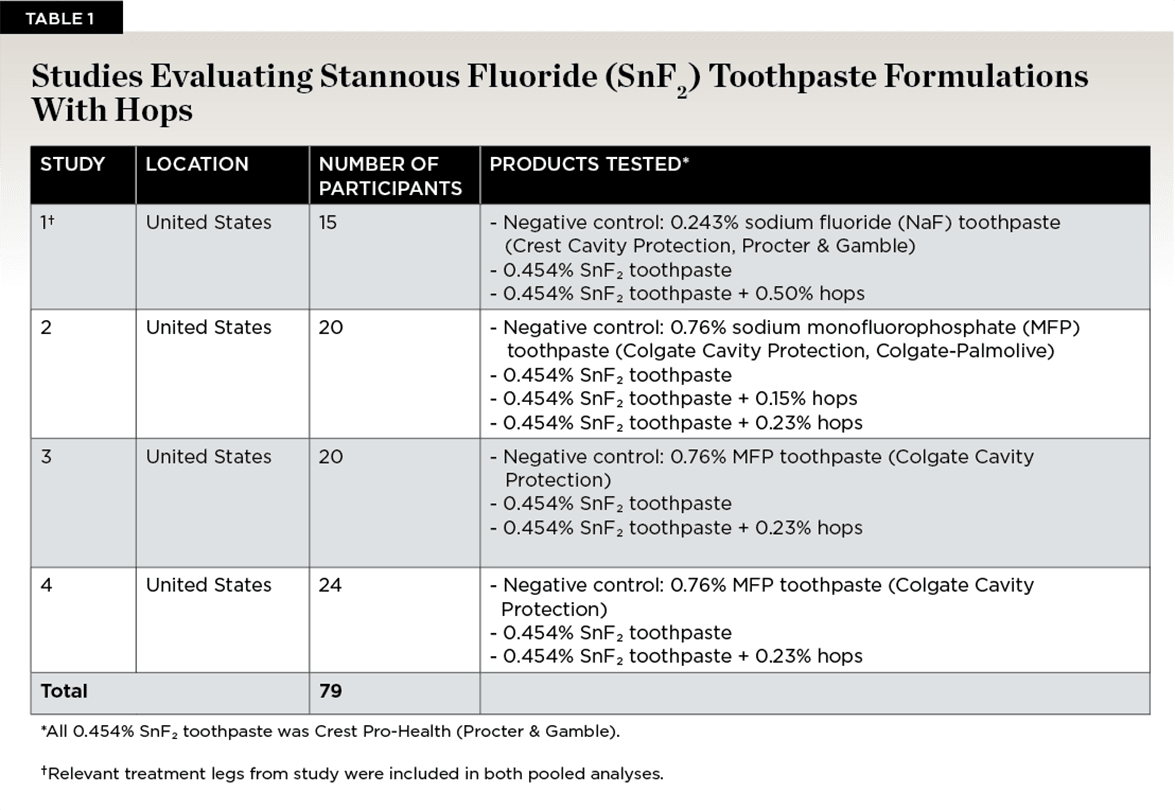
Table 1
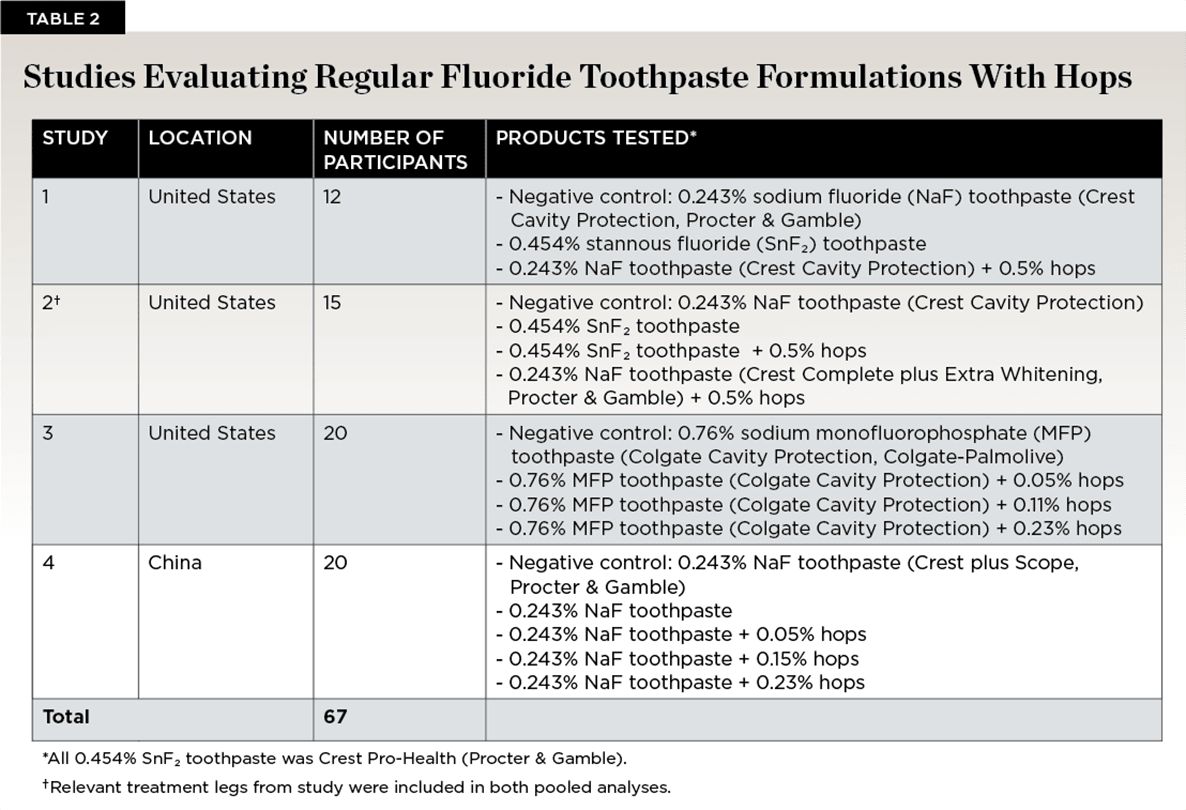
Table 2

Figure 1
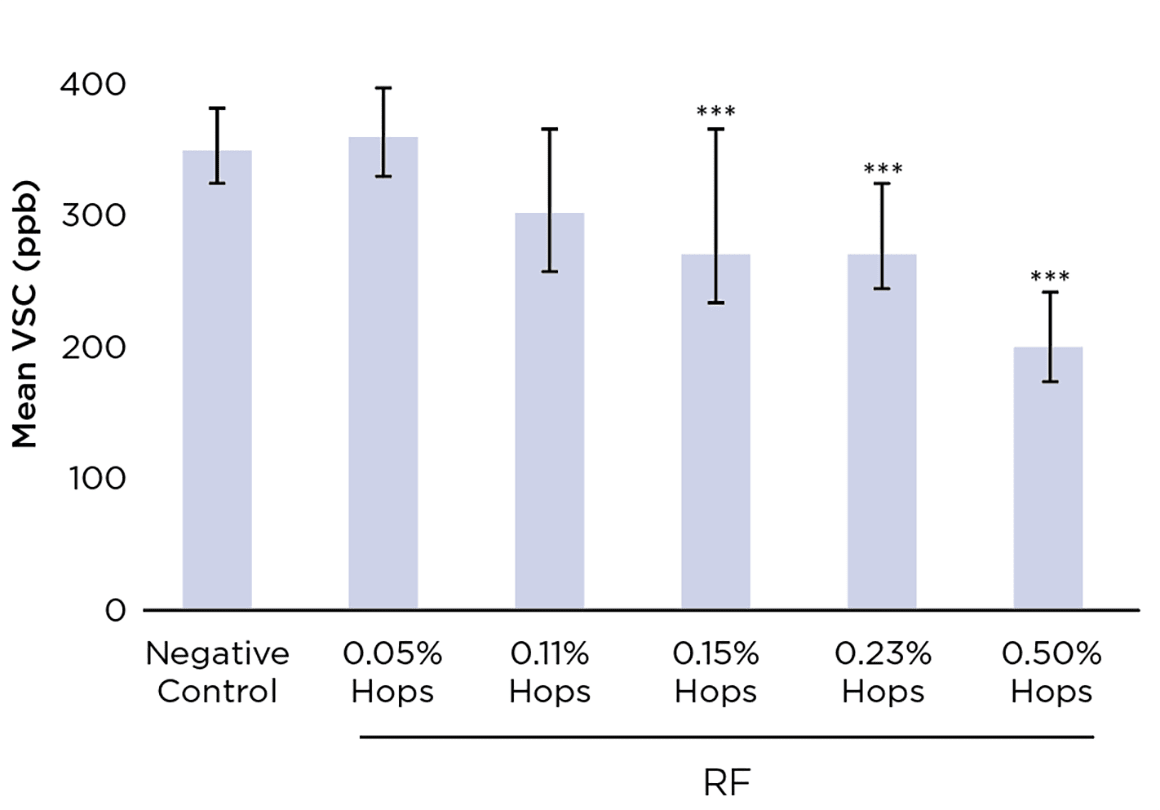
Figure 2
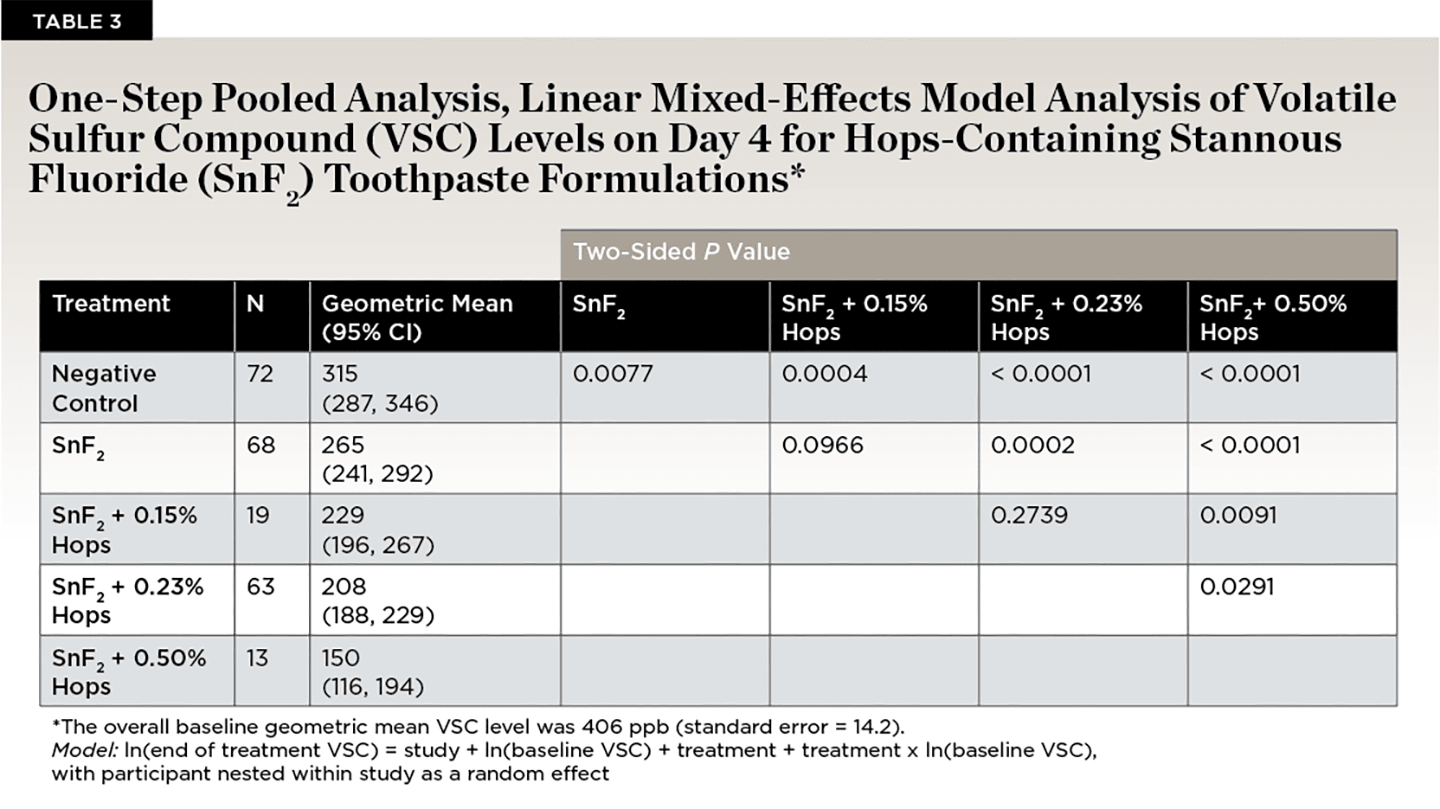
Table 3
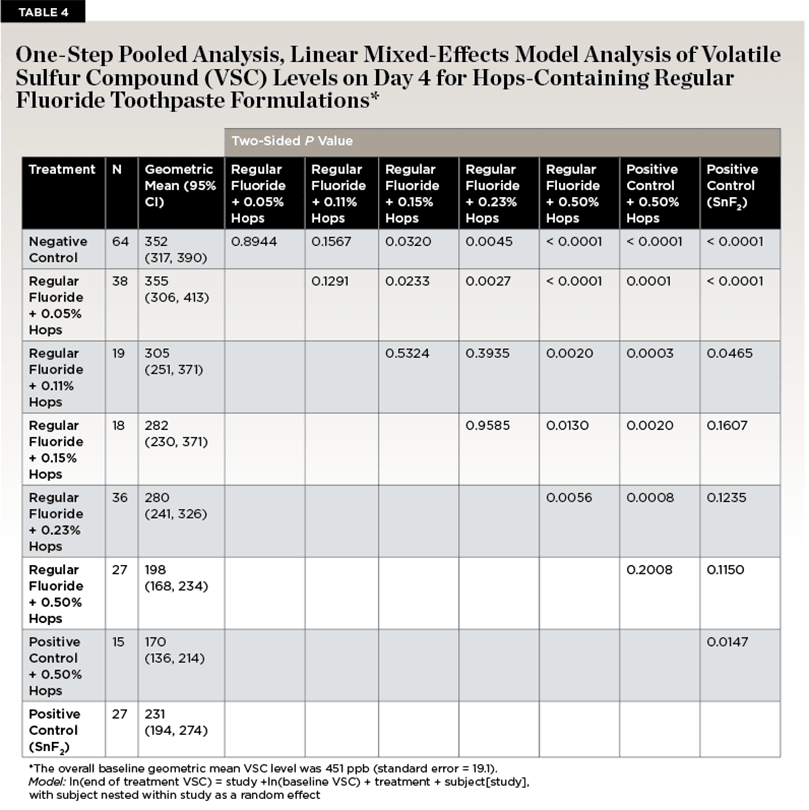
Table 4
