Abstract: Objective: To quantify the dose-dependent cleansing effects of toothpastes formulated with a plant-derived surfactant (hops beta (β)-acids extract) within commercial sodium fluoride (NaF)/pyrophosphate toothpaste matrices on biofilm removal during standard toothbrushing, compared to an otherwise identical placebo control formulation without hops. Methods: Two independent, randomized, double-blind, crossover in vivo studies were carried out using digital image analysis (DIA) of biofilm coverage on facial tooth surfaces before and after a single supervised toothbrushing with an assigned toothpaste treatment. Participants from a prequalified team panel at the Procter & Gamble Oral Health Science Center were enrolled. Three toothpaste formulations were evaluated in both studies, all containing 0.243% NaF and pyrophosphate: (1) toothpaste with no hops (placebo control); (2) toothpaste with 0.15% hops β-acids; (3) toothpaste with 0.50% hops β-acids. In study 2, an additional NaF/pyrophosphate toothpaste formulation was included containing 0.50% hops hexahydro-beta acids (HBA), a chemically modified hops extract with reduced surfactant properties. Each toothpaste treatment was used in a single-brushing exercise three times during the study, for a total of nine visits per participant in study 1 and 12 visits per participant in study 2. The use of DIA of biofilm coverage via fluorescence labeling (eg, fluorescein) and long-wave ultraviolet imaging enabled segmentation of pixel classes to quantify biofilm on tooth versus gingival surfaces. Biofilm coverage percentage, spatial distribution (eg, near the gingival margin, interdental areas), and dose-response relationships were evaluated. Results: Twelve of 13 enrolled participants completed study 1 and 105 brushing sessions were analyzed. In study 2, all 15 enrolled participants completed the trial and 176 brushing sessions were analyzed. Dose-dependent, statistically significant reductions (P < 0.05) in adherent biofilm coverage were observed in both trials following toothbrushing with hops-containing toothpaste formulations, compared with brushing with matched control formulations without hops. Biofilm removal ranged from 80.4% to 85.2% for 0.15% and from 85.4% to 88.8% for 0.50% hops β-acid formulations. The formulation containing a chemically modified hops extract (HBA) demonstrated reduced cleaning efficacy compared with formulations containing native hops β-acids consistent with its reduced hydrophilic-lipophilic balance following hydrogenation. There were no adverse events in either trial, consistent with hops’ gentleness on oral soft tissues. Conclusions: Incorporation of hops β acids extract (Activ Bio-Cleanser™) into toothpaste formulations enhances surfactant-driven, physicochemical cleaning behavior, resulting in improved removal of adherent biofilm during toothbrushing. Practical Implications: Toothpaste formulated with hops β-acids extract provides greater cleaning via enhanced biofilm removal for patients because of optimized surfactant properties, facilitating more productive daily hygiene.
Keywords: surfactant, hops β-acids, digital imaging, dental hygiene, toothpaste
Effective daily removal of dental biofilm is central to oral hygiene practice and critical for oral malodor control, underpinning both cosmetic cleanliness and oral health maintenance.1 While toothbrushing remains the primary mechanical means of biofilm removal, numerous studies have demonstrated that brushing often leaves residual adherent biofilm, particularly in anatomically challenging regions such as the gingival margin and interdental areas.2,3 This is especially true for individuals with misaligned teeth.4 These limitations highlight an opportunity for toothpaste formulas to support mechanical cleaning by modifying the physical properties of the adherent biofilm during brushing, which is particularly important in hard-to-reach areas.
Dental biofilm adhesion and tenacity are largely governed by its extracellular polymeric substance (EPS) matrix, which confers cohesion, surface attachment, and resistance to shear forces during brushing.5,6 From a formulation perspective, this suggests that agents capable of interacting with EPS through physicochemical mechanisms (eg, surfactant-mediated solubilization or dispersion) may enhance biofilm removal by loosening adherent material and improving the efficiency of brushing. Despite the routine inclusion of surfactants in toothpaste formulations, their contribution to biofilm removal during brushing has historically been secondary to roles in flavor emulsification and foaming.7 As such, the design of surfactant systems for their biofilm removal efficacy during brushing has been comparatively underexplored in human in vivo models.
Hops (Humulus lupulus) have a long history of use in food and beverage applications,8,9 where specific hop-derived components exhibit amphiphilic (ie, having both water-loving and oil-loving regions), surface-active properties.10 This duality—so-called micellar action—is what allows a molecule to lift hydrophobic, oil-loving materials like EPS from a surface and dissolve it for removal during brushing. This article investigates hops beta (β)-acids extract within oral care formulations as an excipient capable of contributing surfactant-based behavior when appropriately formulated. Laboratory and ex vivo studies conducted within the authors’ research programs have shown that hops β-acid-containing systems can interact with the EPS matrix of oral biofilms through physicochemical mechanisms, resulting in biofilm loosening and dispersion from hard surfaces.10 Importantly, these effects are formulation dependent and reflect surface activity.
The present studies were designed to test whether these formulation-driven, surfactant-based effects observed in laboratory models translate into measurable improvements in adherent biofilm removal during human toothbrushing. Using digital image analysis (DIA), an objective and quantitative imaging technique for assessing biofilm coverage on facial tooth surfaces, two randomized, double-blind, crossover in vivo studies evaluated the acute cleaning performance of toothpastes formulated with increasing levels of hops β-acids extract. By including a chemically modified hops derivative with reduced surfactant properties as a comparator, these studies further aimed to link observed in vivo outcomes to surfactant-driven physicochemical behavior within the formulation.
Methods and Materials
Study Design
Two independent, randomized, double-blind, crossover in vivo studies were conducted to evaluate the acute biofilm removal performance of toothpastes formulated with hops β-acids extract during toothbrushing. Each study employed a single-use brushing design with multiple treatments per participant, enabling within-participant comparison across treatments. Biofilm coverage on facial tooth surfaces was assessed before and after brushing using DIA.11-13 The primary endpoint for both studies was the change in biofilm coverage relative to the entire tooth area following toothbrushing with each assigned toothpaste.
Participants and Eligibility
Participants were recruited from a prequalified panel at the Procter & Gamble Oral Health Science Center in Mason, Ohio. All participants were employees of The Procter & Gamble Company and provided written informed consent prior to participation. Study protocols, informed consent forms, and all test products were reviewed and approved by the site safety and toxicology group.
Inclusion criteria for both studies included good general health, 18 years of age or older, absence of gross oral disease (including rampant caries or soft-tissue disease), the presence of at least 10 natural anterior teeth with facial scorable surfaces, and evidence of visible overnight biofilm during imaging. Exclusion criteria included known hypersensitivity to fluorescein or related dyes, recent use of antibiotics or chlorhexidine-containing products that hinder biofilm growth, anterior teeth with excessive restorations, or severe staining/tooth color variation that could interfere with study participation or data interpretation. Participants agreed to refrain from participation in any other dental products study, use only products and hygiene instructions associated with the study, refrain from all oral hygiene procedures the morning of their imaging, and comply with standardized pre-visit restrictions.
Toothpaste Formulations
All test toothpastes were based on a commercially available sodium fluoride (0.243% NaF) and pyrophosphate (3.3% anion) toothpaste matrix (Crest plus Extra Whitening, The Procter & Gamble Company, us.pg.com). Treatments differed only in the inclusion and level of hops material (Beta Bio 45%, Hopsteiner, hopsteiner.us).
In both studies, the following formulations were evaluated: base toothpaste without hops (placebo control); toothpaste containing 0.15% hops β-acids (0.33% hops β-acids extract); and toothpaste containing 0.50% hops β-acids (1.10% hops β-acids extract).
In study 2, an additional formulation contained 0.50% hexahydro-β acids (HBA), a chemically modified hops derivative with reduced surfactant properties. All hops materials were supplied as formulation-relevant extracts and incorporated into the toothpaste matrix prior to use and supplied to the test team in tubes. Toothpastes were packaged and coded to maintain blinding of both participants and investigators.
Brushing and Imaging Procedures
Participants were instructed to brush their teeth before 11:00 p.m. the night before their scheduled appointment and refrain from brushing, eating, drinking (except small sips of water), chewing gum, smoking, or using smokeless tobacco for at least 2 hours prior to their scheduled appointment.
At each visit, baseline biofilm was disclosed using fluorescein dye following a standardized rinse protocol as follows12: rinse for 10 seconds with 25 ml of phosphate buffer; rinse for 1 minute with 5 ml of 1,240 ppm fluorescein in phosphate buffer; rinse 3 x 10 seconds with 25 ml of phosphate buffer.
A pre-brushing image was taken of the entire maxillary and mandibular anterior facial tooth surfaces. Participants subsequently applied a full ribbon of the assigned treatment toothpaste to a sterile disposable manual toothbrush and brushed their teeth for 1 minute (timed). Immediately after brushing, biofilm was re-disclosed with fluorescein (same protocol for disclosure) and post-brushing images were taken. Following imaging, participants left the clinic with instructions to continue brushing at will with the acclimation product, Crest® Cavity Protection (0.243% NaF) (The Procter & Gamble Company).
Digital Image Analysis
The DIA system consisted of a high-resolution digital camera equipped with a 25-mm lens and a linear polarizer to permit cross-polarized light. Two ultraviolet (UV) lights provided lighting. The unit was connected to a computer that recorded and analyzed the images. The system was standardized prior to use each day to ensure proper operation. In addition, a color standard was centered and imaged every 4 hours. Lighting in the examination room was background or ambient that was turned off for image collection.
For each assessment, participants placed their chin on a chin rest and positioned two plastic retractors into their mouths to retract lips and cheeks. Participants were instructed to draw air through their teeth and position their tongue away from the teeth so that the tongue was not visible. A digital image of the maxillary and mandibular anterior facial surfaces was captured. Tooth and biofilm pixels were classified in the digital image and the percent biofilm coverage on the teeth was calculated.
Statistical Analysis
The sample size for each study was based on data from previous studies. To assess the data from each participant, their pre-brushing DIA and post-brushing DIA measures were evaluated as described previously. Treatments were compared for pre-brush and post-brush percent of biofilm coverage and percent of biofilm removal using an analysis of variance (ANOVA) for crossover designs with treatment and visit (period) as fixed effects and participants as a random effect with a two-side, 5% significance level.
Safety
Safety was monitored throughout both studies by participant self-report and in vivo oversight. Participants were instructed to inform the site staff of any oral or adverse experiences during the study. A site clinician investigated any medical or dental complaints in these studies.
Results
Study 1
Thirteen participants were enrolled (10 female/three male), and 12 completed all study visits; one participant dropped during the acclimation period due to scheduling conflicts. The remaining 12 panelists completed all visits. Three visits had baseline biofilm levels below 3% and were therefore excluded from the data analysis, because removal (ie, change in biofilm coverage from treatment) cannot be reliably measured at such low biofilm levels. This resulted in 105 analyzed brushing sessions (of 108 possible).
Biofilm coverage outcomes are summarized in Table 1 and shown in Figure 1 and Figure 2. Baseline (pre-brushing) biofilm coverage was similar across treatments (approximately 10% of tooth area). After a standardized 1-minute brushing, mean post-brushing biofilm coverage was lower for hops β-acids toothpastes than for the placebo control (post-brushing means: 3.24% placebo control; 1.65% with 0.15% hops; 1.35% with 0.50% hops). Correspondingly, the percent of baseline biofilm removed increased from 71.07% for the placebo control to 85.17% and 88.79% for the 0.15% and 0.50% hops-containing toothpastes, respectively. Results show approximately 50% of the remaining biofilm (by tooth area) left behind by the placebo control toothpaste was removed with the addition of hops.
Study 2
All 15 enrolled participants completed all visits (eight female/seven male). Four visits had baseline biofilm levels below 3% and were therefore excluded from the data analysis, resulting in 176 (of 180 possible) analyzed brushing sessions.
Biofilm coverage outcomes are summarized in Table 2 and shown in Figure 3 and Figure 4. Baseline (pre-brushing) biofilm coverage was similar across treatments. After 1 minute of brushing, post-brushing biofilm coverage was lowest for the 0.50% hops toothpaste (post-brushing means: 2.93% placebo control; 2.18% with 0.15% hops; 1.76% with 0.50% hops; and 2.50% with 0.50% HBA hops). The percentage of baseline biofilm removed increased from 73.17% for the placebo control to 80.41% and 85.37% for the 0.15% and 0.50% hops toothpastes, respectively. The HBA hops comparator showed intermediate removal (78.87%), consistent with reduced performance relative to the native hops β-acids extract at the same nominal level; statistical groupings are shown in Table 2. Results show approximately 40% of the remaining biofilm coverage (by tooth area) left behind by the placebo toothpaste was removed with the addition of hops.
No oral hard- or soft-tissue abnormalities requiring intervention were observed and no adverse events related to study participation were reported in either study.
Discussion
The removal of oral biofilm is a primary objective of daily oral hygiene. Thorough brushing and flossing help patients maintain a clean dentition, providing noticeable, long-term benefits.1,3 The present studies demonstrate that toothpastes formulated with hops β-acids extract provide greater acute biofilm removal during toothbrushing than an otherwise identical hops-free formulation. In two independent randomized crossover studies, increasing the level of hops β-acids extract was associated with progressively lower residual biofilm coverage following standardized 1-minute brushing. The inclusion of a chemically modified hops derivative with reduced surfactant properties (HBA) resulted in diminished cleaning relative to native hops β-acids, supporting a link between observed in vivo outcomes and formulation-level surfactant behavior. Hydrogenation of hops β-acids changes its surfactant properties due to structural changes associated with loss of unsaturation in the chemical structure of hops.14 Together, these findings establish a clear dose-response relationship and demonstrate that surfactant system design within a toothpaste can meaningfully influence biofilm disruption and removal during brushing.
These in vivo findings are consistent with prior laboratory and ex vivo observations showing that hops β-acids extracts exhibit amphiphilic, surface-active properties capable of interacting with the EPS matrix of oral biofilms.10 EPS confers cohesion and adhesion to biofilms and contributes to their resistance to shear forces generated during brushing.5,6 From a formulation perspective, surfactant-driven interactions with EPS can loosen and disperse adherent material, thereby improving the efficiency of mechanical removal. Importantly, the results presented here reflect physicochemical cleaning behavior delivered by the toothpaste during brushing.
Hops botanicals have been used for centuries in the production of beer, acting as flavoring agents.8,9 Hops have demonstrated interesting surfactant activities that are used to control esthetics in beer production, including modulation of foam properties due to their surfactant action. This behavior is consistent with the surfactant properties of the hops β-acids extract discussed here, and this interpretation aligns with the authors’ independent characterization of hops as a surfactant and emulsifying excipient within complex oral care matrices also discussed in other articles in this special issue.
While thorough brushing and flossing remain foundational to oral hygiene, the effectiveness of individual oral hygiene habits is typically less than satisfactory for multiple reasons, including poor technique, access, and/or inadequate time.15,16 A variety of approaches, such as the use of electric toothbrushes17 or additions to home care regimens, have been undertaken to improve oral hygiene efficiency, however most people already use toothpaste on their brush. Although surfactants are always added to toothpaste, they are virtually never optimized toward improving the toothpaste’s ability to remove adherent oral biofilm with toothbrushing.7 The magnitude and consistency of the cleaning benefit observed with hops-containing toothpastes in these acute studies suggest that appropriately designed surfactant systems can augment mechanical brushing by modifying the physical properties of adherent biofilm. In this context, hops β-acids function as excipients that support more effective biofilm removal during routine use, potentially making daily hygiene practices more productive without users having to change their behavior.
A key strength of these studies is the use of DIA, an objective and quantitative method for assessing biofilm coverage on facial tooth surfaces following disclosure and standardized imaging. DIA evaluates adherent biofilm levels on teeth for acute and chronic measures.11-13 A standardized camera system precisely measures biofilm coverage on the teeth following disclosure by fluorescein dye and illumination with UV or blue wavelength light. Published studies have reported on the effectiveness of this method in the objective evaluation of toothpastes, mouthrinses, and hygiene regimens, including electric toothbrushes.11,13,18-21 The technique is robust because it allows for multiple evaluations of biofilm coverage on the teeth, permitting repeated-measure diurnal evaluations to demonstrate effects of treatments on biofilm growth and removal.22
These studies were intentionally limited to acute, single-use brushing outcomes and therefore do not address longer-term effects of repeated product use, including biofilm regrowth dynamics or chronic endpoints. Future investigations may examine how sustained product use of hops-containing toothpastes influences extended oral hygiene outcomes and how surfactant-mediated EPS modification responds to other formulation components, like stannous fluoride, in extended-use contexts.
Conclusion
The findings presented in this article provide in vivo evidence that surfactant system design within a toothpaste can materially influence biofilm removal during toothbrushing. Across two randomized crossover studies, toothpastes formulated with hops β-acids extracts delivered dose-responsive improvements in acute biofilm removal relative to an otherwise identical hops-free formulation, while a chemically modified hops derivative with reduced surfactant properties showed diminished performance. When integrated with companion studies in this special issue, these results complete a coherent translational framework: laboratory and ex vivo investigations confirm observed hops β-acids’ surfactant behavior persists when formulated in toothpaste where they are further demonstrated to interact with the EPS matrix through unique physicochemical mechanisms.
The present in vivo research demonstrates that these properties translate into measurably improved cleaning during toothbrushing. Importantly, these effects illustrate how modifying the physical properties of adherent biofilm can enhance routine hygiene practices, helping compensate for real-world brushing limitations. In this context, the current study serves as the human efficacy keystone of this special issue, translating the role of hops β-acids as formulation-enabled cleaning excipients in Crest with Activ Bio-Cleanser to the clinically and scientifically grounded basis for their contribution to stannous penetration and malodor benefits explored in companion investigations.
ACKNOWLEDGMENT
The authors thank Donald J. White, PhD, for medical writing assistance.
DISCLOSURE
MKA and SSJ are employees of The Procter & Gamble Company. MZ and AB were employees of The Procter & Gamble Company at the time the research was conducted.
ABOUT THE AUTHORS
Marianne Zsiska, PhD
The Procter & Gamble Company, Mason, Ohio
Mary Kay Anastasia, BA
The Procter & Gamble Company, Mason, Ohio
Arif Baig, PhD
The Procter & Gamble Company, Mason, Ohio
Samuel St. John, PhD
The Procter & Gamble Company, Mason, Ohio
References
1. Sbordone L, Bortolaia C. Oral microbial biofilms and plaque-related diseases: microbial communities and their role in the shift from oral health to disease. Clin Oral Investig. 2003;7(4):181-188.
2. Slot DE, Wiggelinkhuizen L, Rosema NA, Van der Weijden GA. The efficacy of manual toothbrushes following a brushing exercise: a systematic review. Int J Dent Hyg. 2012;10(3):187-197.
3. Ebel S, Blättermann H, Weik U, et al. High plaque levels after thorough toothbrushing: what impedes efficacy? JDR Clin Trans Res. 2019;4(2):135-142.
4. Griffiths GS, Addy M. Effects of malalignment of teeth in the anterior segments on plaque accumulation. J Clin Periodontol. 1981;8(6):481-490.
5. Hasan MI, Aggarwal S. Matrix matters: how extracellular substances shape biofilm structure and mechanical properties. Colloids Surf B Biointerfaces. 2025;246:114341.
6. Rather MA, Gupta K, Mandal M. Microbial biofilm: formation, architecture, antibiotic resistance, and control strategies. Braz J Microbiol. 2021;52(4):1701-1718.
7. Jordan B. A-Z fundamentals of dentifrice: oral health benefits in a tube. dentalcare.com. October 31, 2025. https://www.dentalcare.com/en-us/ce-courses/ce670. Accessed August 24, 2026.
8. Schönberger C, Kostelecky T. 125th anniversary review: the role of hops in brewing. J Inst Brewing. 2012;117(3):259-267.
9. Koetter U, Biendl M. Hops (Humulus lupulus): a review of its historic and medicinal uses. HerbalGram. 2010;87:44-57.
10. St. John S, Strand R. Effects of hops β-acids extract on the structure and composition of mature and immature oral biofilms. Compend Contin Educ Dent. 2026;47 suppl 3:14-21.
11. Ferrari Peron P, Adam R, Grender J, et al. A randomized crossover trial assessing plaque regrowth dynamics in adults with use of an oscillating-rotating electric toothbrush versus a manual toothbrush measured by digital plaque image analysis. Clin Exp Dent Res. 2025;11(3):e70158.
12. Sagel PA, Lapujade PG, Miller JM, Sunberg RJ. Objective quantification of plaque using digital image analysis. Monogr Oral Sci. 2000;17:130-143.
13. Bellamy PG, Jhaj R, Mussett AJ, et al. Comparison of a stabilized stannous fluoride/sodium hexametaphosphate dentifrice and a zinc citrate dentifrice on plaque formation measured by digital plaque imaging (DPIA) with white light illumination. J Clin Dent. 2008;19(2):48-54.
14. Carson JF. The hydrogenation of lupulone and humulone. J Am Chem Soc. 1951;73(4):1850-1851.
15. Deinzer R, Ebel S, Blättermann H, et al. Toothbrushing: to the best of one’s abilities is possibly not good enough. BMC Oral Health. 2018;18(1):167.
16. Thomassen TMJA, Hu YSR, van der Weijden FA, Slot DE. Exploring toothbrushing duration among adults: a systematic review. Int J Dent Hyg. 2026. doi: 10.1111/idh.70048.
17. Adam R. Introducing the Oral-B iO electric toothbrush: next generation oscillating-rotating technology. Int Dent J. 2020;70 suppl 1(suppl 1):S1-S6.
18. White DJ, Kozak KM, Gibb R, et al. A 24-hour dental plaque prevention study with a stannous fluoride dentifrice containing hexametaphosphate. J Contemp Dent Pract. 2006;7(3):1-11.
19. White DJ. Effect of a stannous fluoride dentifrice on plaque formation and removal: a digital plaque imaging study. J Clin Dent. 2007;18(1):21-24.
20. White DJ, Barker ML, Klukowska M. In vivo antiplaque efficacy of combined antimicrobial dentifrice and rinse hygiene regimens. Am J Dent. 2008;21(3):189-196.
21. Klukowska M, White DJ, Barker ML, Bartizek RD. Effect of an oscillating rotating power toothbrush on plaque removal and regrowth. Am J Dent. 2008;21(6):346-350.
22. White DJ, Kozak KM, Baker R, Saletta L. Plaque formation and removal assessed in vivo in a novel repeated measures imaging methodology. J Clin Dent. 2006;17(1):22-26.
Figures and Images
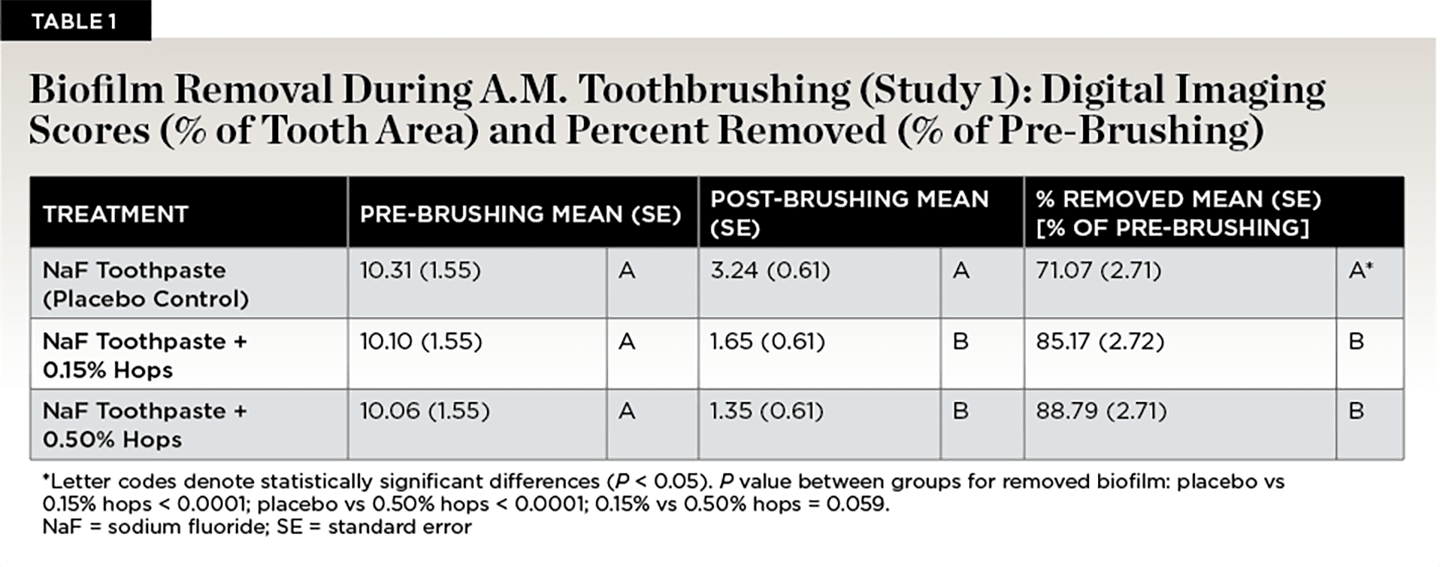
Table 1

Figure 1
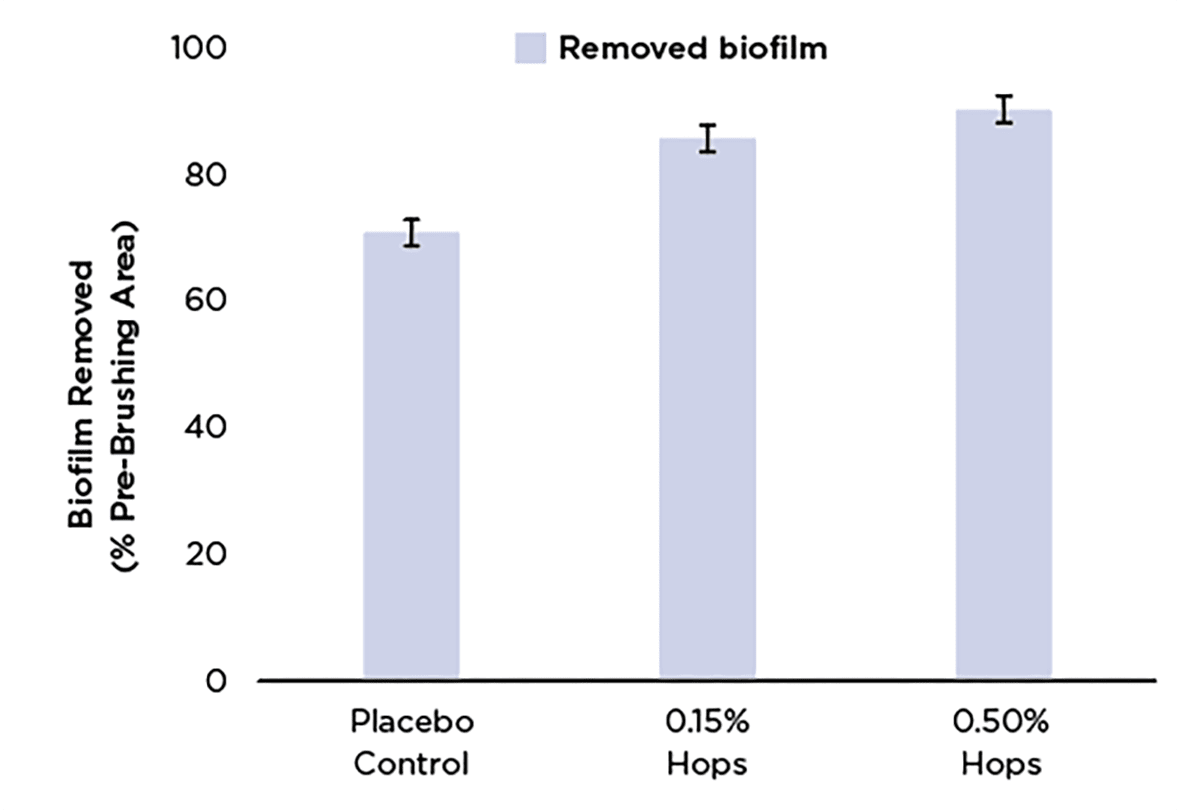
Figure 2
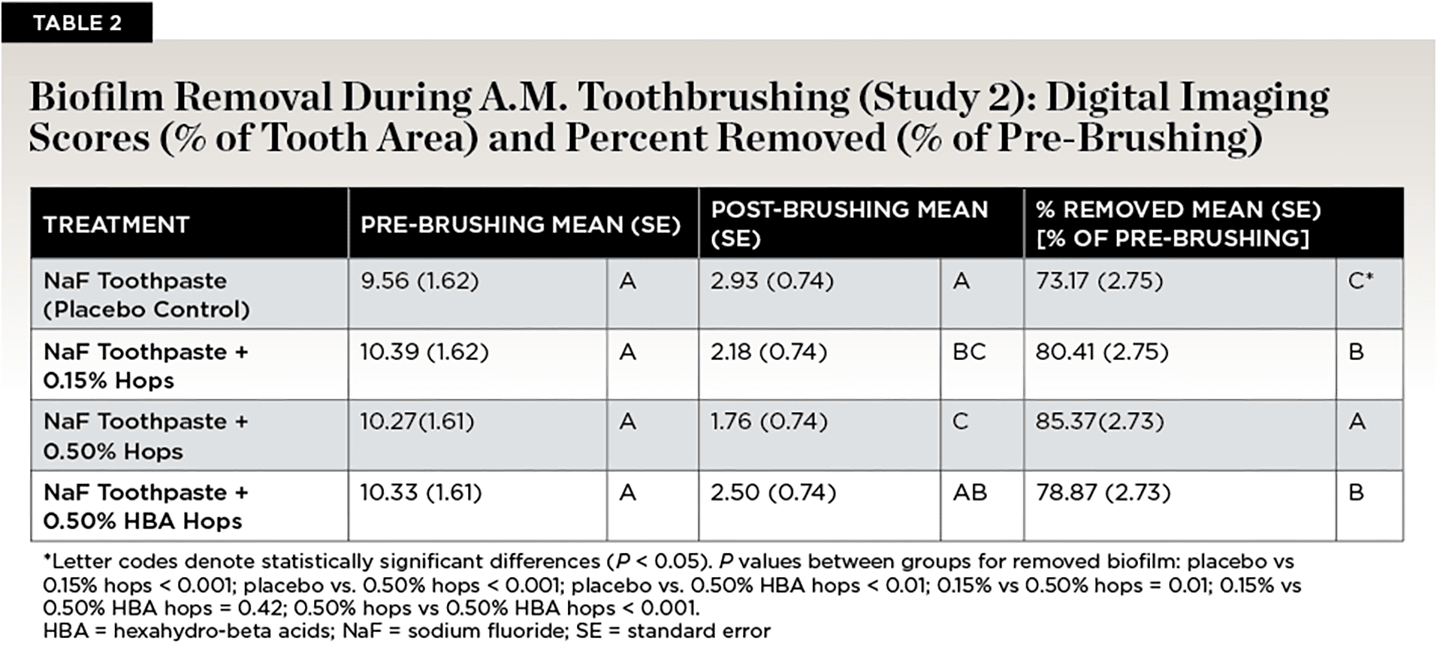
Table 2
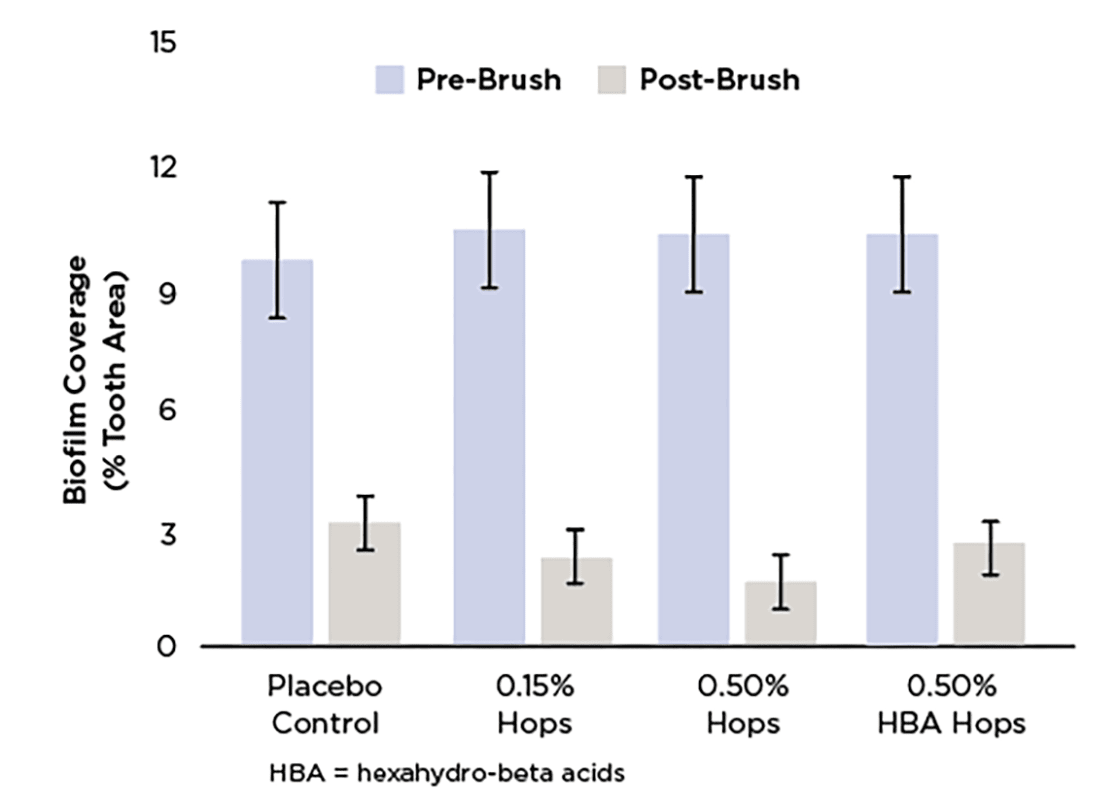
Figure 3
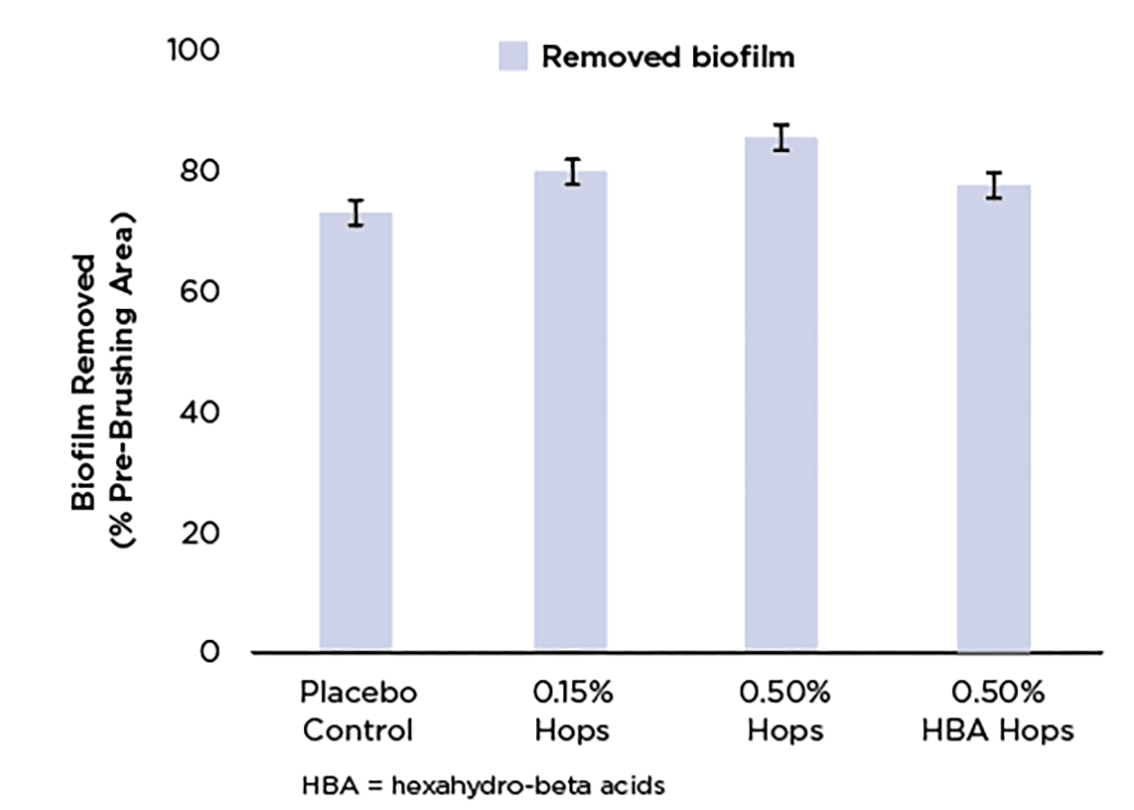
Figure 4
