Mandibular molars frequently present complex anatomical challenges such as severe root curvatures, accessory anatomy, and variable dentin morphology that may complicate instrumentation and disinfection. This dual-case presentation documents nonsurgical root canal treatment performed in two patients diagnosed with symptomatic irreversible pulpitis and symptomatic apical periodontitis: Case 1, tooth No. 17 associated with a buccal external resorptive defect; and Case 2, tooth No. 18 presenting with post-restorative thermal sensitivity. Distal root curvatures ranged from approximately 60 to 75 degrees and were managed using a structured EdgeOnyx™ (EdgeEndo, edgeendo.com) instrumentation sequence incorporating X-Find™, X-Follow™, and X-Finish™ files. Initial canal negotiation and glidepath establishment were achieved using X-Find and X-Follow instruments, followed by sequential shaping with X-Finish (15/.04 → 17/.04 → 20/.04 → 25/.04). Mesial canals were prepared to a 25/.04 master apical size and distal canals to 20/.04. Irrigant activation was performed using the EdgePRO™ Er,Cr:YSGG laser system (Biolase) to facilitate irrigant activation and improve penetration within complex canal anatomy. Obturation was completed using EdgeBioCeramic™ ThermalFlow™ (EdgeEndo) and matched 0.04 taper gutta-percha cones. These cases demonstrate a conservative shaping approach in severely curved anatomy while maintaining canal morphology and supporting predictable obturation outcomes.
KEY TAKEAWAYS
- EdgeOnyx geometry enables controlled, centered shaping in canals with curvatures exceeding 60 degrees. The rotary NiTi file system features a minimally invasive design and the Triflex sequence of X-Find, X-Follow, and X-Finish instruments.
- The sequential four-file EdgeOnyx protocol (15/.04 → 25/.04) maintains canal anatomy in severely curved mandibular molars while delivering a master apical file size adequate for bioceramic sealer flow.
- EdgeBioCeramic ThermalFlow combined with EdgePRO laser activation achieves predictable 3-dimensional obturation, with biocompatible chemistry ideal for cases involving resorptive or periapical pathology.
CASE 1 Tooth: No. 17 – mandibular left second molar. Chief complaint: pain and discomfort. Additional finding: external buccal resorption. Diagnosis: symptomatic irreversible pulpitis; symptomatic apical periodontitis. Distal root curvature: 75 degrees. Shaping sequence: EdgeOnyx 15/.04 → 17/.04 → 20/.04 → 25/.04. Master apical files: mesial 25/.04 | distal 20/.04. Irrigation activation: EdgePRO Er:YSGG laser. Obturation: EdgeBioCeramic ThermalFlow + 0.04 taper gutta-percha cones.
CASE 2 Tooth: No. 18 – mandibular left first molar. Chief complaint: post–crown preparation pain; cold sensitivity. Diagnosis: symptomatic irreversible pulpitis; symptomatic apical periodontitis. Distal root curvature: 60 to 75 degrees. Shaping sequence: EdgeOnyx 15/.04 → 17/.04 → 20/.04 → 25/.04. Master apical files: mesial 25/.04 | distal 20/.04. Irrigation activation: EdgePRO Er:YSGG laser. Obturation: EdgeBioCeramic ThermalFlow + 0.04 taper gutta-percha cones.
Figures and Images
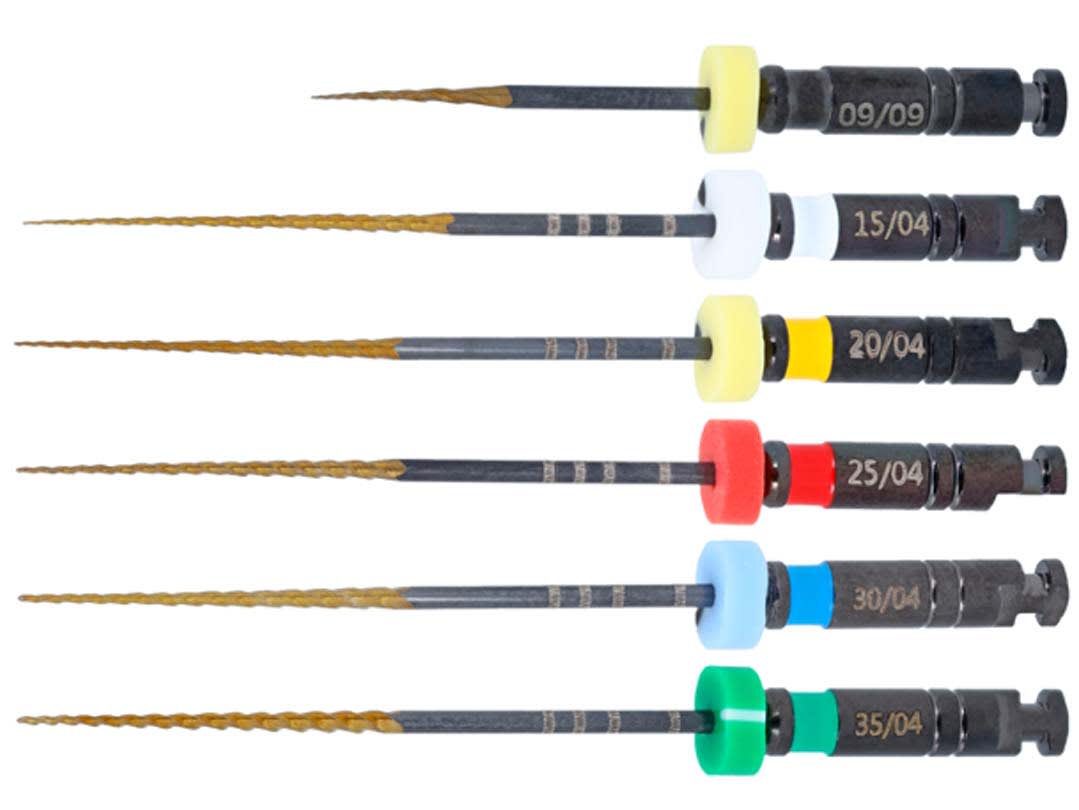
Figure 1
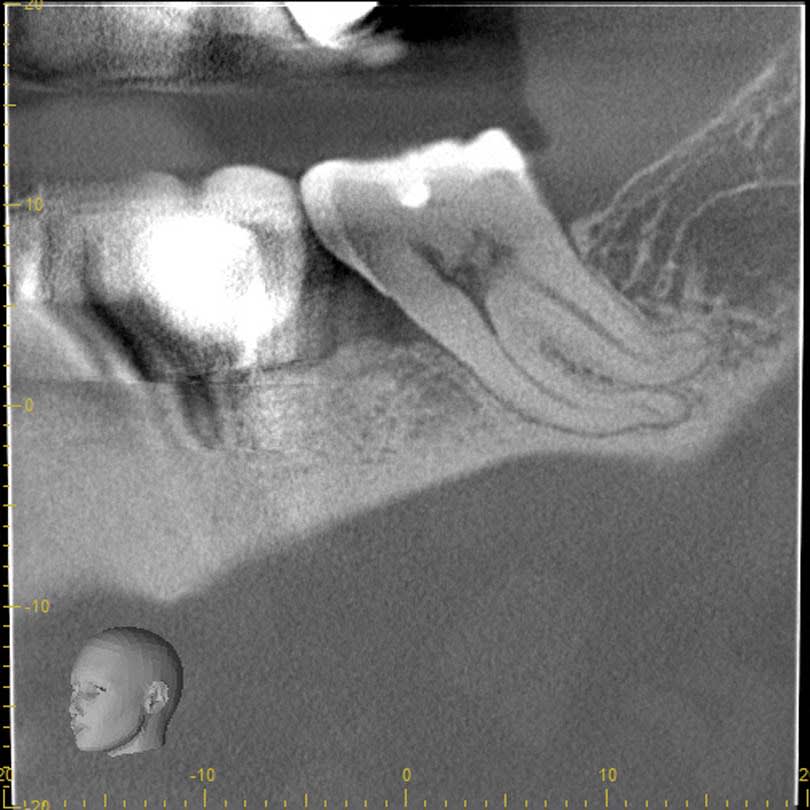
Figure 2
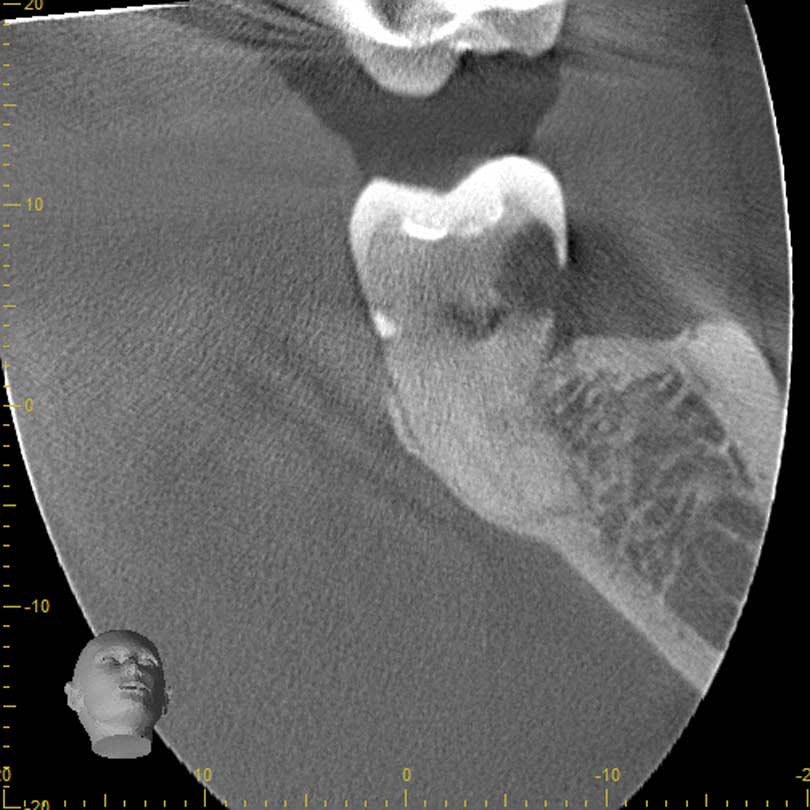
Figure 3
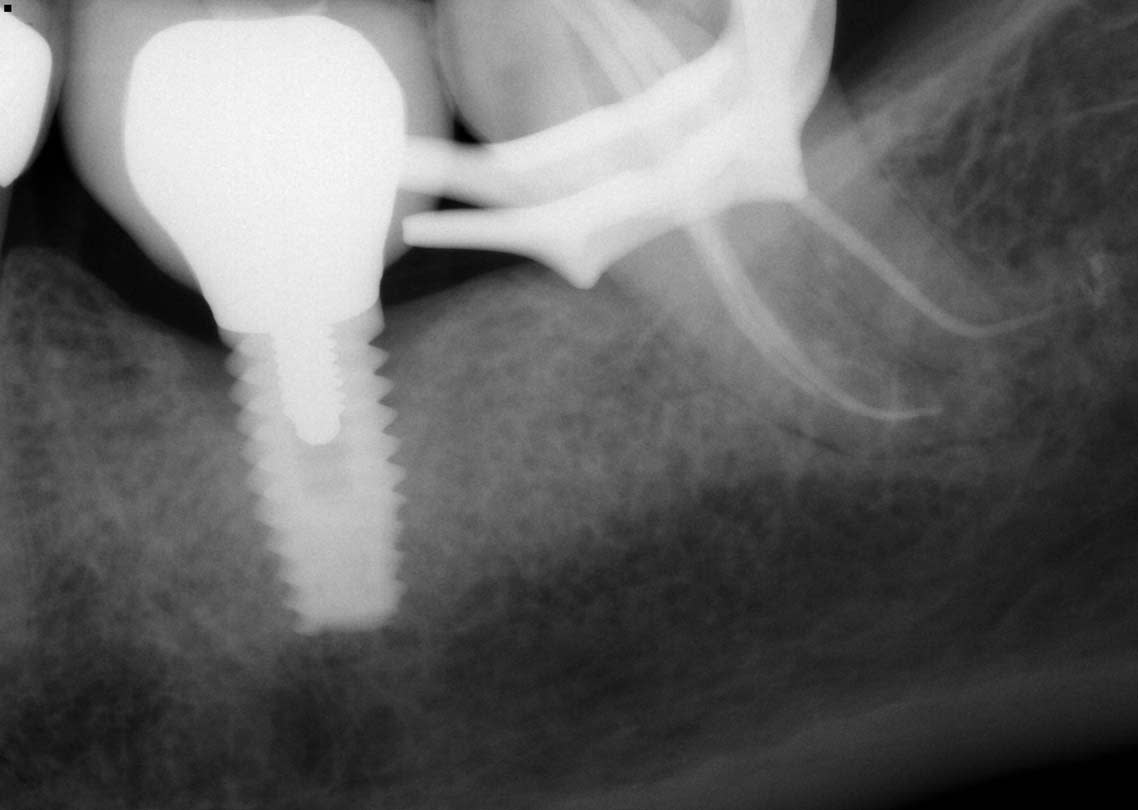
Figure 4
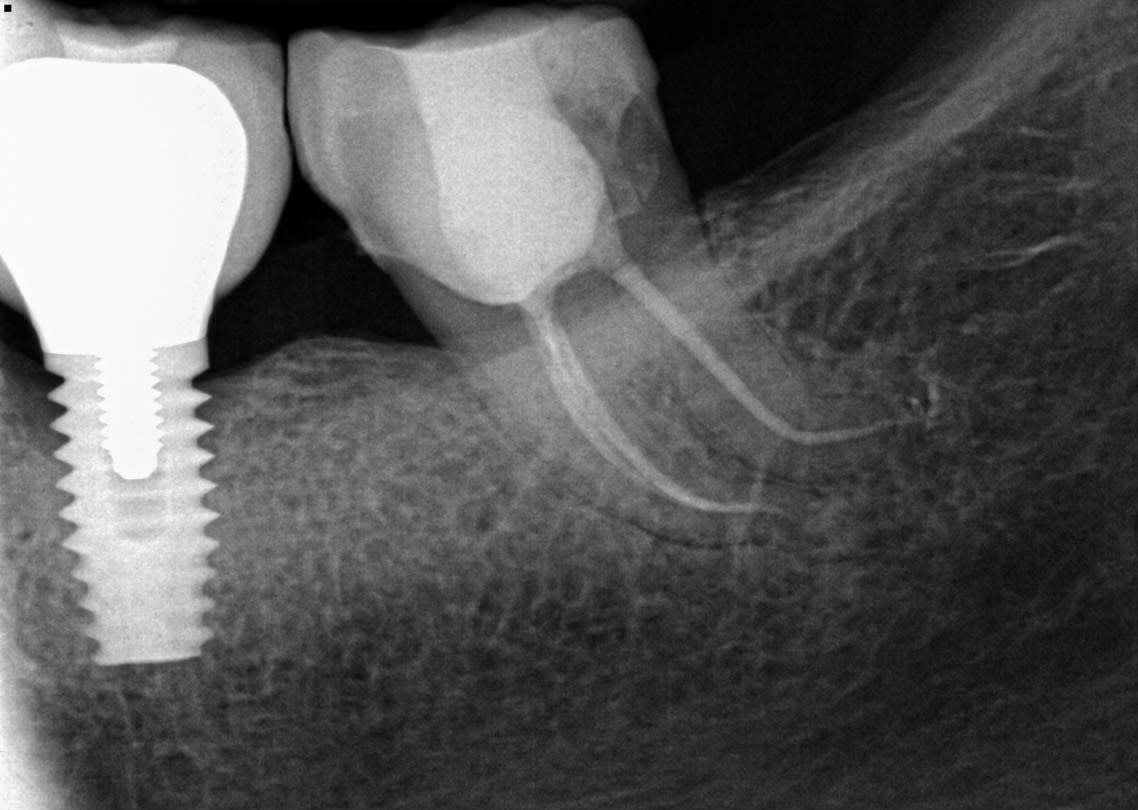
Figure 5
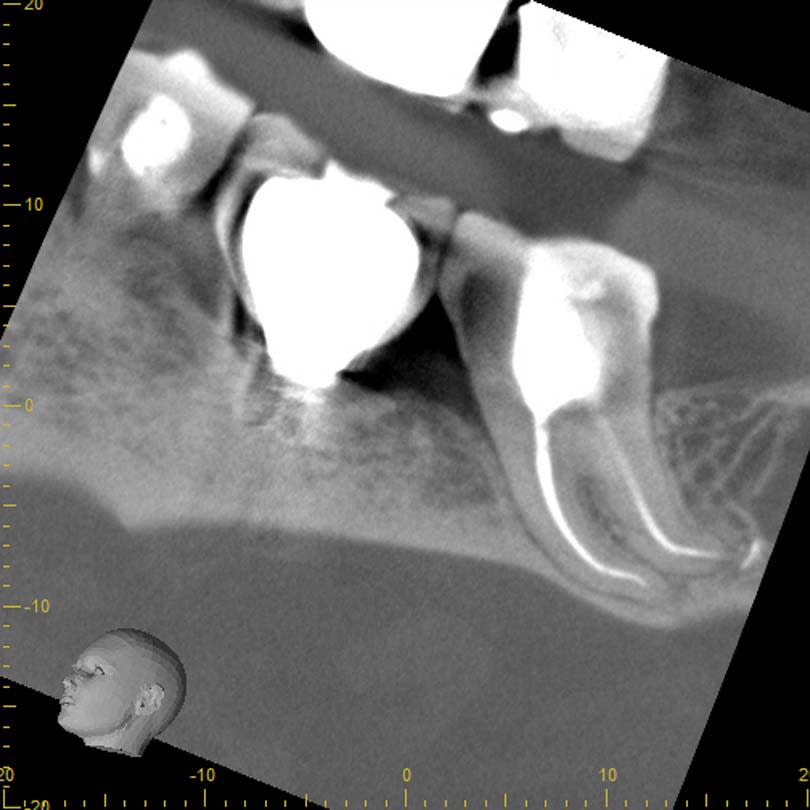
Figure 6
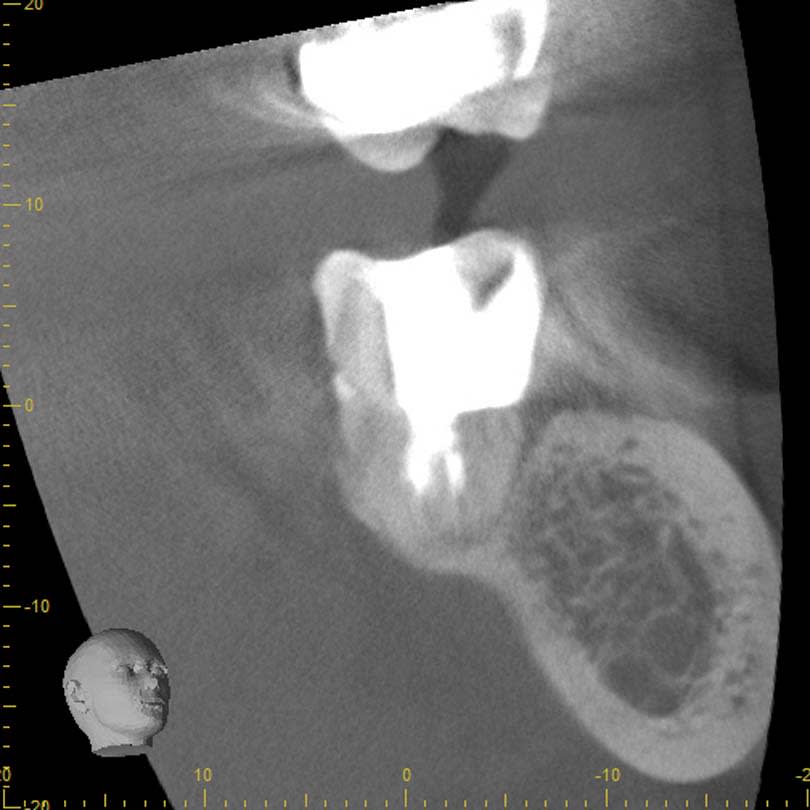
Figure 7
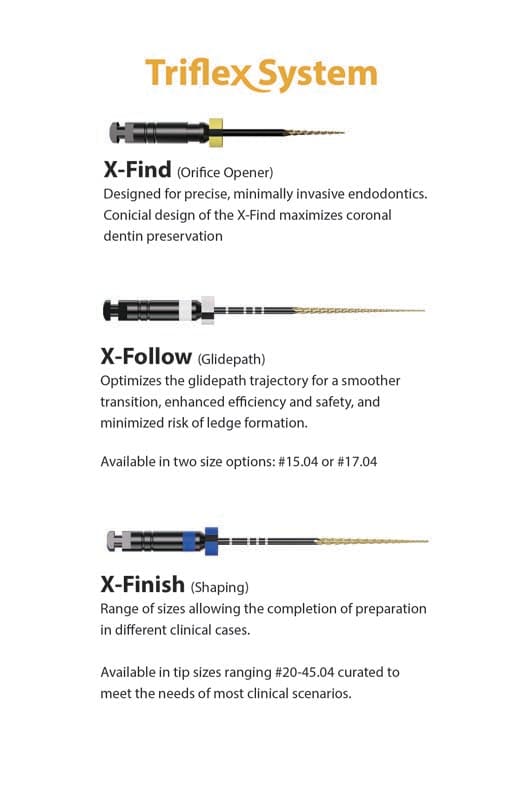
Figure 8
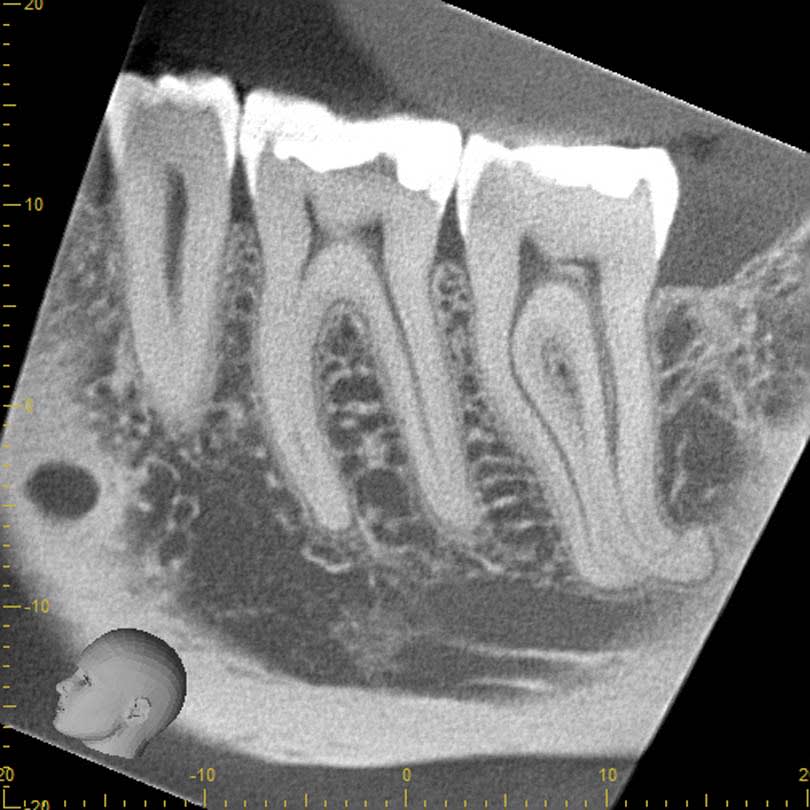
Figure 9
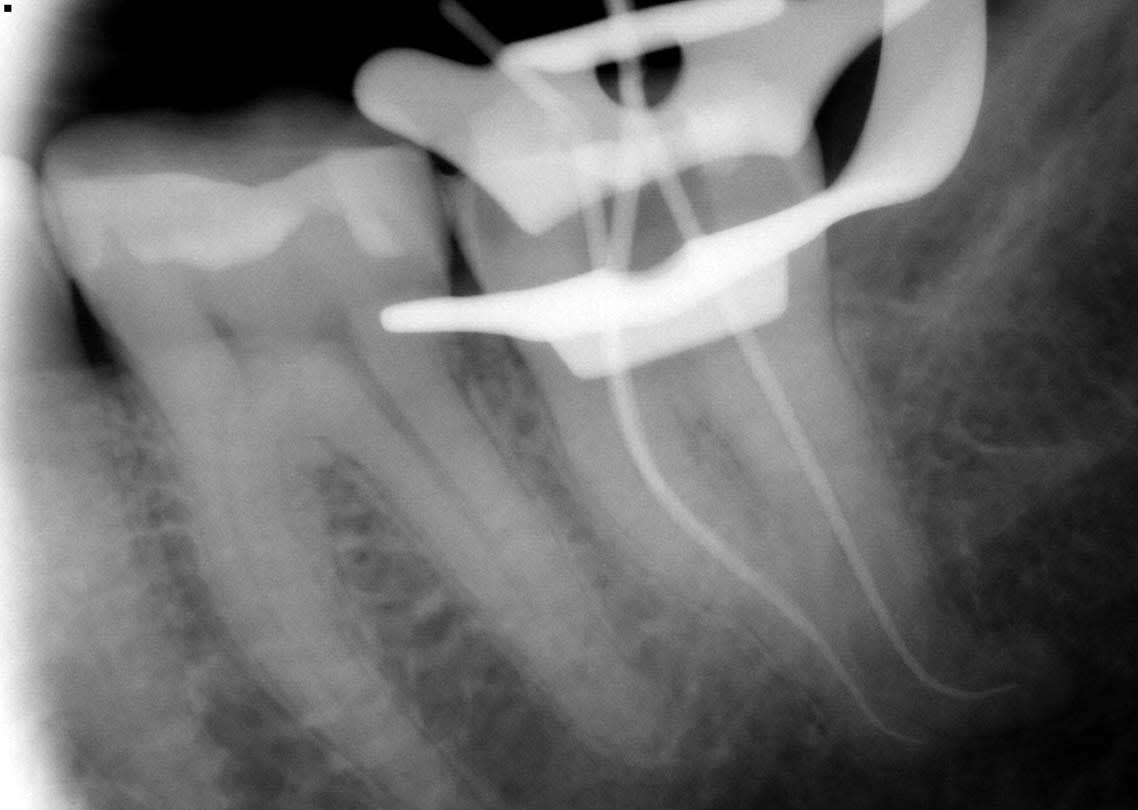
Figure 10
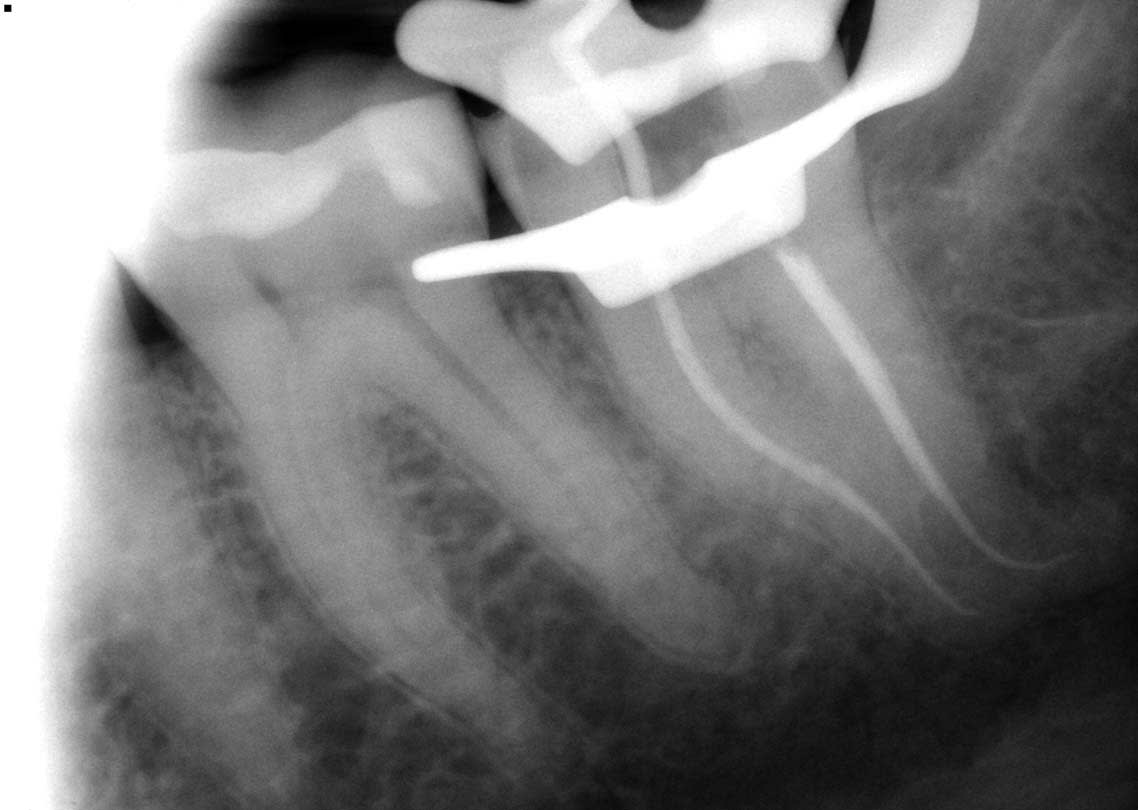
Figure 11
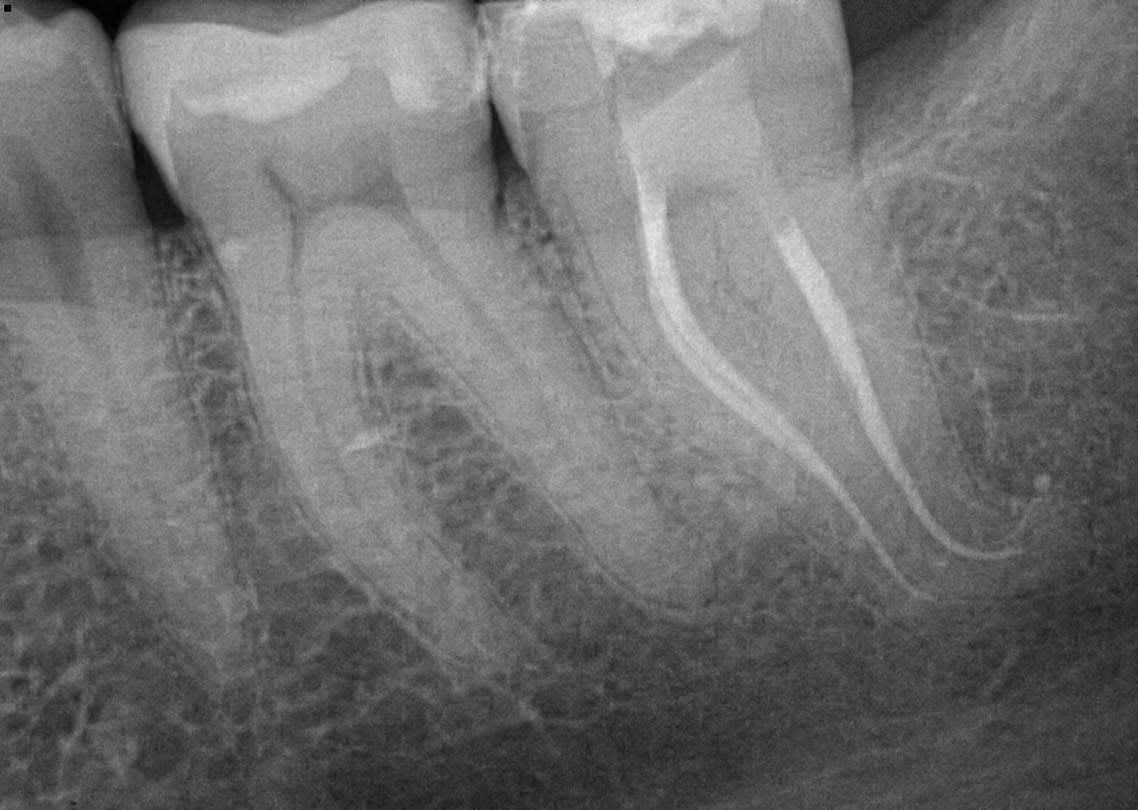
Figure 12

Biraj Patel, BDS, MJDF, M Endo RCSEd