Abstract: Reciprocating single-file nickel-titanium (NiTi) systems have simplified root canal shaping while offering improved resistance to cyclic fatigue, the predominant mode of instrument failure. This article presents two cases treated with two different reciprocating systems built on different heat-treated NiTi alloys with distinct mechanical profiles. In the first case, the reciprocating system’s patented heat treatment provided the added cutting efficacy and stiffness needed to enable confident management of a four-canal maxillary first molar (tooth No. 14), including complete location and shaping of the second mesiobuccal canal. The second case features a different reciprocating NiTi system that employs an original heat treatment and prioritizes flexibility and resistance to cyclic stress and was applied in a mandibular second molar (tooth No. 18) with curved canal morphology. The article demonstrates how selecting between the two systems based on canal anatomy—rather than defaulting to one system for every case—supports complete, predictable shaping in different cases despite meaningfully varied anatomical challenges.
Reciprocating motion was introduced to endodontics specifically to address the predominant failure mode of engine-driven nickel-titanium (NiTi) instruments: cyclic fatigue.1,2 Rather than the continuous rotation used in earlier rotary systems, reciprocating files alternate between a larger counterclockwise cutting angle and a smaller clockwise release angle, reducing the stress accumulated on the instrument with each cycle and allowing many cases to be shaped with a single file.1
The metallurgy behind a file is just as critical as the kinematics. Heat treatment protocols applied after an instrument is machined change the alloy’s phase transformation behavior, and different treatments produce meaningfully different mechanical personalities—some prioritizing flexibility and fatigue resistance in curved anatomy, others prioritizing cutting efficiency and torsional strength in more accessible canals.3-6 This is not a minor technical distinction. A file selected for the wrong canal geometry is a common, preventable contributor to procedural complications, including canal transportation and instrument separation.7
This distinction is not merely theoretical. Missed anatomy, such as an unlocated second mesiobuccal (MB2) canal in a maxillary molar or an under-negotiated curve in a mandibular molar’s mesial root, is a well-documented, preventable source of persistent disease. The MB2 canal alone is present in roughly two-thirds of maxillary first molars yet is routinely missed without the use of a system and technique suited to finding and shaping it.8 For clinicians, matching instrument mechanical properties to the specific demands of a canal rather than using one system indiscriminately is a practical approach to addressing this challenge.
This article presents two case reports in which two different heat-treated reciprocating systems are used: EdgeOne Blaze Utopia™ and EdgeOne Fire™ (EdgeEndo, edgeendo.com). Each system is built to address the needs of the aforementioned different ends of the clinical spectrum—ie, cutting efficiency and torsional strength versus flexibility and fatigue resistance—depending on the priority of the case. Both are single-file, presterilized, reverse-reciprocating systems compatible with WaveOne® Gold (Dentsply Sirona, dentsplysirona.com) motor settings, but they are not interchangeable in intent. The cases presented illustrate when each of these two systems is the better choice.
Product Overview and Rationale
EdgeOne Fire™
EdgeOne Fire (Figure 1) is built on EdgeEndo’s proprietary annealed heat treatment, branded Fire-Wire™ NiTi.9 This treatment increases both cyclic fatigue resistance and torque strength relative to conventional NiTi; per the manufacturer, EdgeOne Fire offers up to five times the cyclic fatigue resistance of a leading single-file reciprocating endodontic system.9 Files undergo this processing with a parallelogram cross-section and variable conicity, and—notably—they come out of the package with a slight curve. This is a deliberate consequence of the heat treatment, not a defect; rather than the file trying to spring back to become straight inside a curved canal (the mechanism that drives canal transportation and ledging), the pre-curved Fire-Wire NiTi conforms to the canal’s natural anatomy with minimal resistance.9
Available in Small, Primary, Medium, and Large sizes, EdgeOne Fire is intended for canals where flexibility and stress tolerance—not raw cutting speed—are priorities, such as severely curved canals, canals with dilacerations, and in cases where the file must negotiate anatomy under significant mechanical stress.
EdgeOne Blaze Utopia™
EdgeOne Blaze Utopia (Figure 2) incorporates the newer FireWire Blaze™ heat treatment, described by the manufacturer as an evolution of the original Fire-Wire technology aimed specifically at improving cutting efficiency and performance without sacrificing safety.10 The system uses an S-shaped cross-section (versus Fire-Wire’s parallelogram) for improved debris removal, a non-cutting tip, and is available across a broader range—R20, R25 (Primary), R35, and R45—with a redesigned Ultra-Fit™ handle and 11-mm shank for improved posterior access and real-time apex locator compatibility.10 In practice, this translates to a file that shapes more assertively per pass and with greater stiffness, which is advantageous in canals that are wide or moderately curved or in cases where the priority is efficient removal of dentin—provided the canal anatomy does not demand the same degree of flexibility for which EdgeOne Fire is built.
Choosing Between the Two
The manufacturer’s own technique guidance for both systems follows the same general sequence: scout, form a glidepath, shape with the primary file using a light pecking/brushing motion, upsize only if the apical flutes are not loaded with debris at length.9,10 The clinical decision point is upstream of that: canal curvature, canal width, and amount of resistance the canal’s anatomy is likely to present.
As a general framework, clinicians should favor EdgeOne Blaze Utopia in canals that are moderate to wide and mildly to moderately curved, and where efficient, controlled cutting shortens chairtime without added risk. EdgeOne Fire should be the choice in canals with significant curvature or in cases where minimizing stress on the file—and therefore on the canal—takes priority over shaping speed. The following two cases illustrate this decision in practice.
Case 1: Locating and Shaping a Four-Canal Maxillary Molar (EdgeOne Blaze Utopia)
The patient was a 34-year-old man whose chief complaint at presentation was pain in the maxillary left molar region, especially at night. He had no significant medical history, which was noncontributory. His dental history was noncontributory apart from the condition of the tooth being treated (No. 14, maxillary left first molar).
The preoperative periapical radiograph showed periapical radiolucency at the mesiobuccal root of tooth No. 14 (Figure 3). No swelling or sinus tract was noted on clinical examination. The diagnosis was pulpal necrosis with symptomatic apical periodontitis.
No contraindications or pre-existing conditions were noted. Treatment options presented to and discussed with the patient were root canal therapy versus extraction. The patient elected root canal therapy.
The treatment plan included the use of EdgeOne Blaze Utopia. The rationale for this choice was as follows: Given the accessible, moderately wide canal anatomy typical of a maxillary first molar’s three primary canals, EdgeOne Blaze Utopia’s cutting efficacy and stiffness supported controlled, confident shaping, including in the additional MB2 canal once located.
Root canal therapy was performed under rubber dam isolation. Local anesthesia was administered using two carpules of 2% lidocaine with 1:100,000 epinephrine via buccal and palatal infiltration. Canals were shaped with the EdgeOne Blaze Utopia system to a master apical size of R25, starting with the R20, at a working length of 21 mm verified with an electronic apex locator. Irrigation was performed with 5% sodium hypochlorite. All four canals were located and instrumented to R25, including the MB2. Obturation was performed with warm vertical condensation using a single gutta-percha cone matched to the master apical file.
The immediate outcome of the procedure was complete four-canal location and shaping (primary mesiobuccal [MB1], MB2, distobuccal [DB], and palatal [P]) with a well-condensed obturation result (Figure 4).
Case 2: Managing Curved Canal Morphology in a Mandibular Molar (EdgeOne Fire)
A 27-year-old male patient presented with the chief complaint of pain in the mandibular left molar region, especially when chewing on the left side. His medical history was noncontributory, as no history was noted. His dental history was noncontributory apart from the condition of the tooth being treated (tooth No. 18, mandibular left second molar).
The preoperative periapical radiograph showed tooth No. 18 with large occlusal caries (Figure 5). No swelling or sinus tract was noted on clinical examination. The diagnosis was symptomatic irreversible pulpitis with symptomatic apical periodontitis.
No contraindications or pre-existing conditions were noted. Treatment options presented to and discussed with the patient were root canal therapy versus extraction. The patient elected root canal therapy.
The treatment plan included the use of EdgeOne Fire. The rationale for this choice was as follows: Tooth No. 18 presented with curved canal morphology, typical of mandibular molar mesial roots. EdgeOne Fire’s Fire-Wire heat treatment and pre-curved-conforming behavior made it the better-suited system in this case versus EdgeOne Blaze Utopia, as flexibility and cyclic-stress tolerance were prioritized over cutting speed, without over-enlarging the canal.
Root canal therapy was performed under rubber dam isolation. Local anesthesia was administered using two carpules of 2% lidocaine with 1:100,000 epinephrine via inferior alveolar nerve block and buccal infiltration. Canals were shaped starting with the EdgeOne Fire Small (ISO 20), working up to ISO 25 Primary at a working length of 19 mm, and finished at this conservative size to respect the curvature and avoid over-instrumentation. Irrigation was performed with 5% sodium hypochlorite. Obturation was performed with warm vertical condensation using a single gutta-percha cone matched to the master apical file.
The immediate outcome of the procedure was a successfully completed root canal treatment despite curved canal morphology (Figure 6).
Conclusion
The two reciprocating systems used in these cases, EdgeOne Blaze Utopia and EdgeOne Fire, are not two versions of the same instrument; they represent unique solutions to the central challenge of NiTi shaping—cutting efficiency versus flexibility under stress—built on two distinct heat-treated alloys. Used indiscriminately, either system will underperform in a canal for which it was not built. Used deliberately, matched to canal anatomy and case complexity, they cover a meaningfully wider range of clinical scenarios than either would alone. The two cases presented here—a four-canal maxillary molar requiring efficient, thorough canal location and shaping, and a curved mandibular molar requiring flexible, low-stress instrumentation—illustrate that the choice of file system is not a brand preference but a clinical decision with a direct bearing on shaping efficiency, safety, and outcome.
DISCLOSURE
This article was commercially supported by EdgeEndo.
ABOUT THE AUTHOR
Steven Kale, DDS
Private Practice limited to Endodontics, Queens, New York
References
1. Yared G. Canal preparation using only one Ni-Ti rotary instrument: preliminary observations. Int Endod J. 2008;41(4):339-344.
2. Thompson SA. An overview of nickel-titanium alloys used in dentistry. Int Endod J. 2000;33(4):297-310.
3. Duque JA, Bramante CM, Duarte MA, et al. Cyclic fatigue resistance of nickel-titanium reciprocating instruments after simulated clinical use. J Endod. 2020;46(11):1771-1775.
4. Drukteinis S, Peciuliene V, Bendinskaite R, et al. Shaping and centering ability, cyclic fatigue resistance and fractographic analysis of three thermally treated NiTi endodontic instrument systems. Materials (Basel). 2020;13(24):5823.
5. Tanomaru-Filho M, Espir CG, Venação AC, et al. Cyclic fatigue resistance of heat-treated nickel-titanium instruments. Iran Endod J. 2018;13(3):312-317.
6. Baruwa AO, Braz Fernandes FM, Martins JNR. Impact of metallurgical and geometric features on the cyclic fatigue strength of reciprocating endodontic files. Dent J (Basel). 2026;14(2):76.
7. Bürklein S, Flüch S, Schäfer E. Shaping ability of reciprocating single-file systems in severely curved canals: WaveOne and Reciproc versus WaveOne Gold and Reciproc blue. Odontology. 2019;107(1):96-102.
8. Martins JNR, Marques D, Silva EJNL, et al. Second mesiobuccal root canal in maxillary molars – a systematic review and meta-analysis of prevalence studies using cone beam computed tomography. Arch Oral Biol. 2020;113:104589.
9. EdgeEndo. EDGEONE FIRE™ Heat Treated Fire-Wire™ Endodontic NiTi Reciprocating Files [directions for use]. DFU-SEOF-EU Rev B. Albuquerque, NM: US Endodontics, LLC; 2023.
10. EdgeEndo. EdgeOne Blaze Utopia™ Product Brochure and Simplified Technique Guide. Rev C. Albuquerque, NM: US Endodontics, LLC; 2023.
Figures and Images
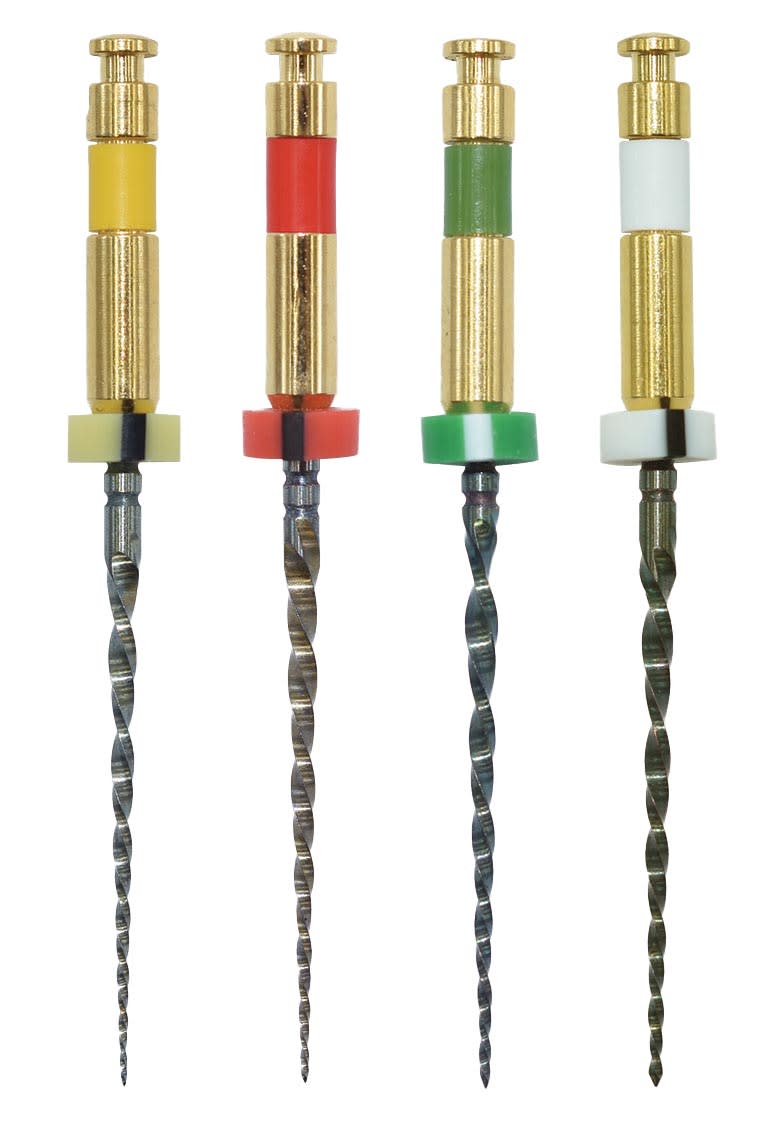
Figure 1
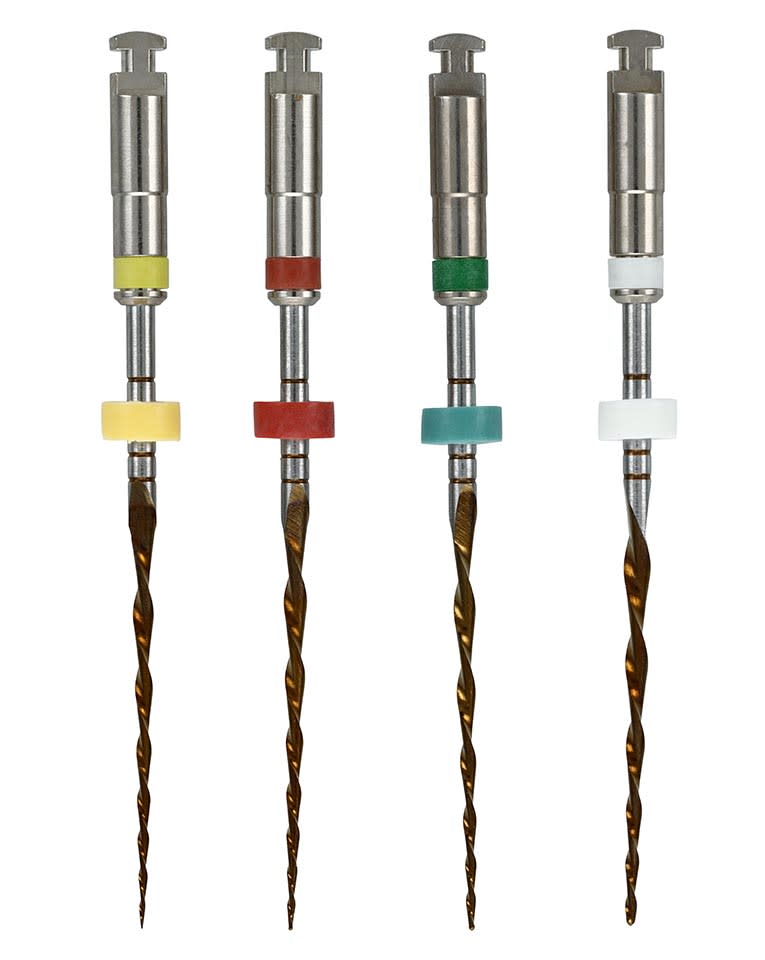
Figure 2
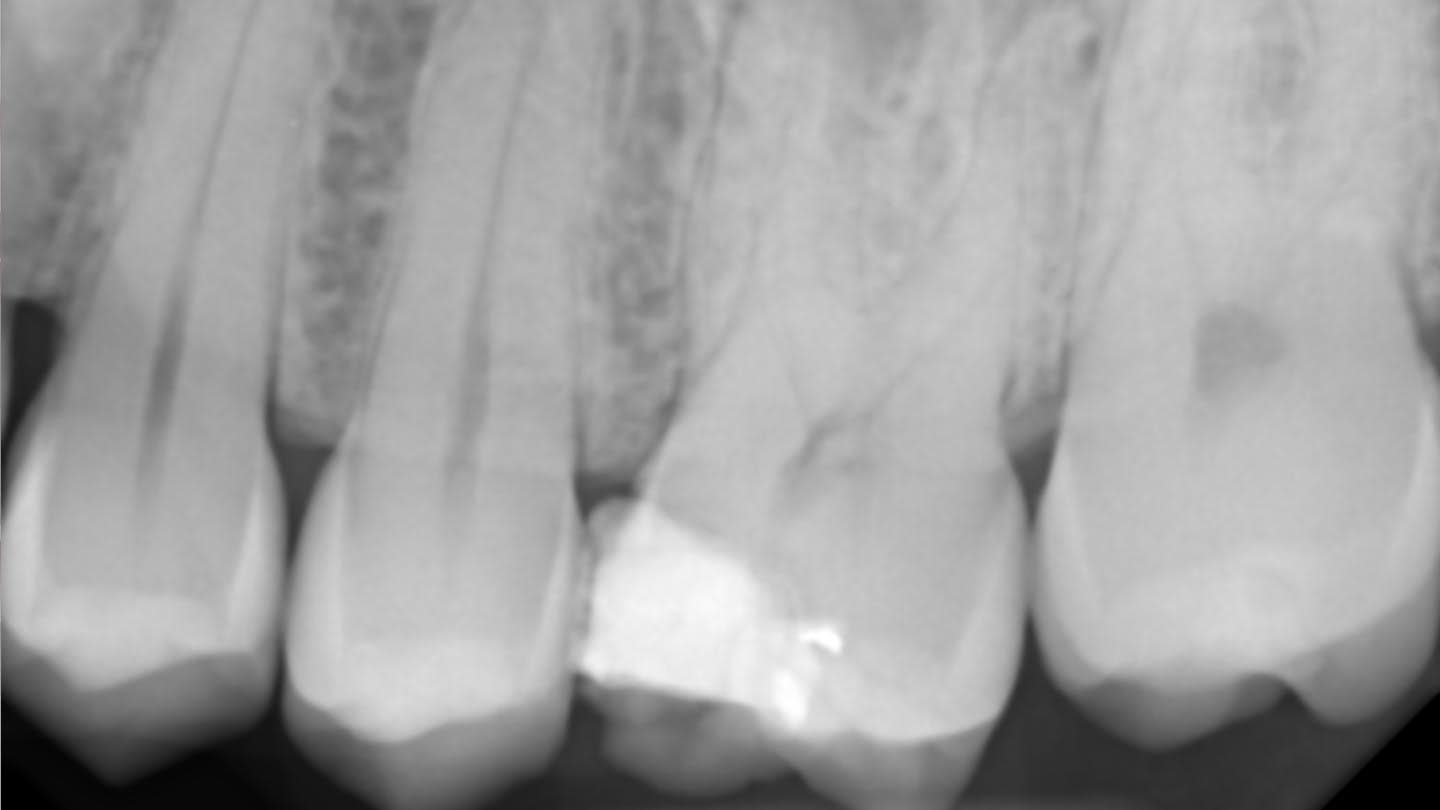
Figure 3
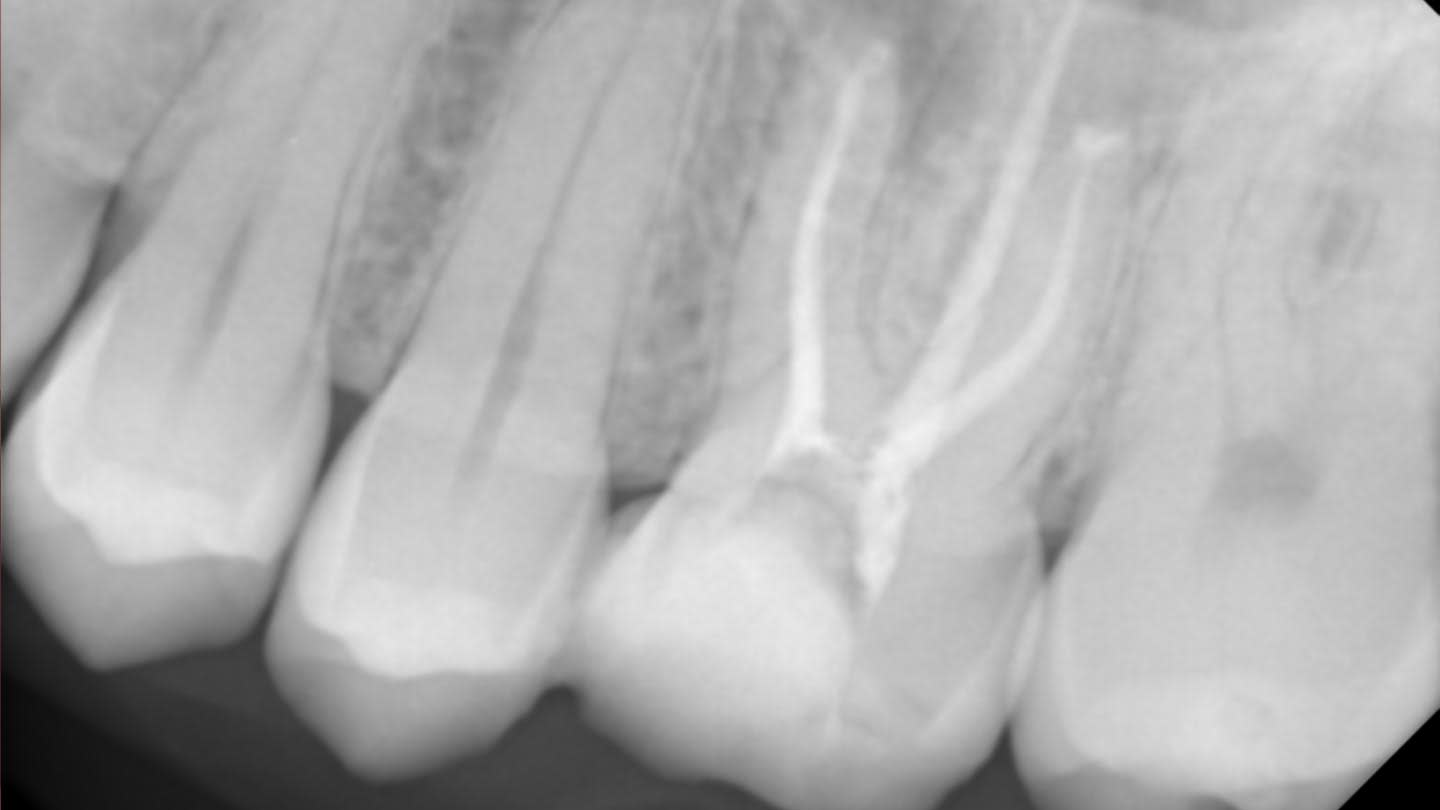
Figure 4
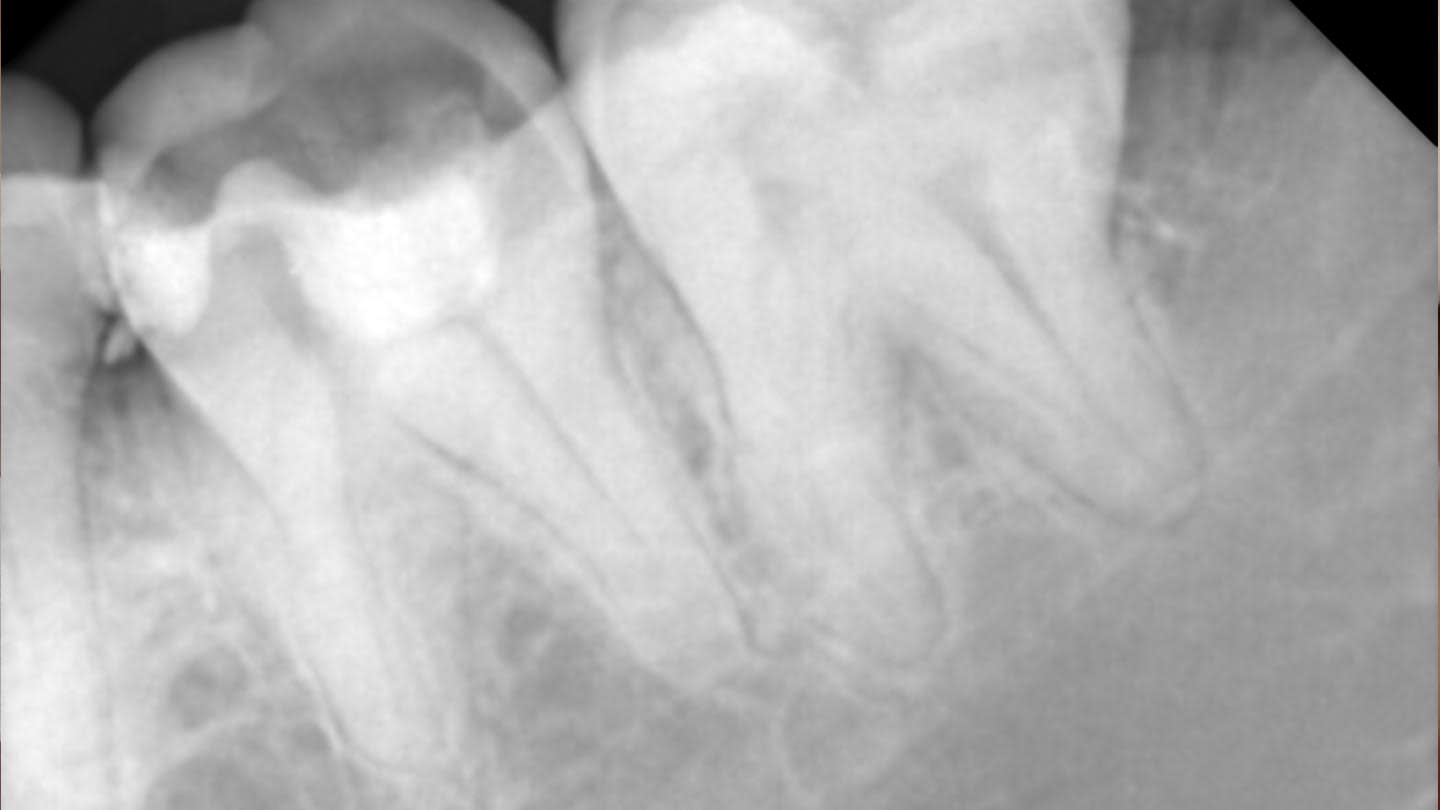
Figure 5
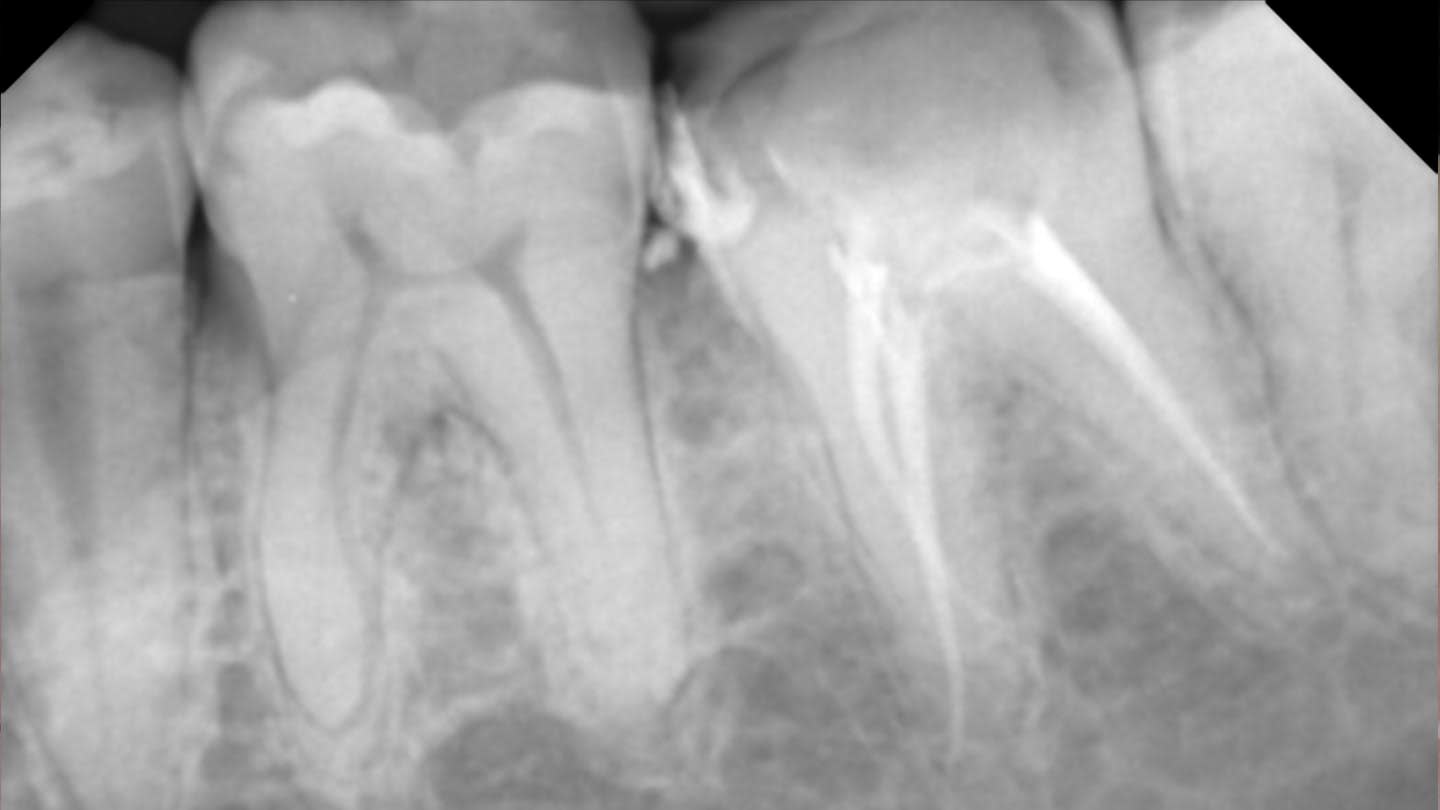
Figure 6